Key Takeaways:
- Fault, not the crash itself, is the biggest factor in whether your premium goes up—insurers price risk based on who caused the accident, not just the damage involved.
- At-fault drivers face an average nationwide premium increase of 45%, while drivers who weren’t responsible see a much smaller average bump of just 4%.
- Older drivers often see a steeper percentage increase after an at-fault accident, but younger drivers typically pay more in actual dollars due to their already-higher baseline premiums.
- Where you live significantly affects the size of your rate increase, since local accident rates, repair costs, and medical expenses all factor into an insurer’s pricing.
- A single at-fault accident can stay on your record and influence your rates for three to five years, meaning the true financial cost often adds up to thousands of dollars over time, not just a one-year bump.
- Accident forgiveness programs, shopping around before renewal, and adjusting your deductible are all practical ways to reduce the long-term cost of an at-fault accident.
- Not every accident results in a rate increase—minor incidents, state regulations, and certain insurer policies can sometimes prevent your premium from rising at all.
If you’ve just been in a fender bender or a full-blown collision, there’s a good chance your first worry was about bumpers and headlights, and your second worry was about your wallet. It’s a fair question to ask, because “does my insurance go up now” isn’t a yes-or-no situation. The honest answer is: it depends almost entirely on who caused the crash. A driver who rear-ends someone else is going to see a very different bill than a driver who gets rear-ended while sitting still at a red light. Below, we’ll break down what actually happens to your premium in each scenario, back it up with real 2026 numbers, and walk through what you can do about it either way.
Why Fault Matters More Than the Crash Itself
Insurance companies aren’t really pricing the accident. They’re pricing the risk that you’ll cost them money again. When an insurer decides how much to raise your premium, the single biggest factor isn’t how much damage occurred, it’s whether their data says you’re the one who caused it. That’s because fault is treated as a signal of future risk. A driver who was found responsible for a crash is statistically more likely to file another claim down the road, and insurers build that expectation directly into your renewal price.
This is why two people involved in the exact same collision can walk away with completely different bills. The driver who caused it gets flagged as higher risk. The driver who didn’t often gets treated almost the same as before, sometimes with only a small bump, sometimes with no change at all.
What Happens to Your Rates After an At-Fault Accident
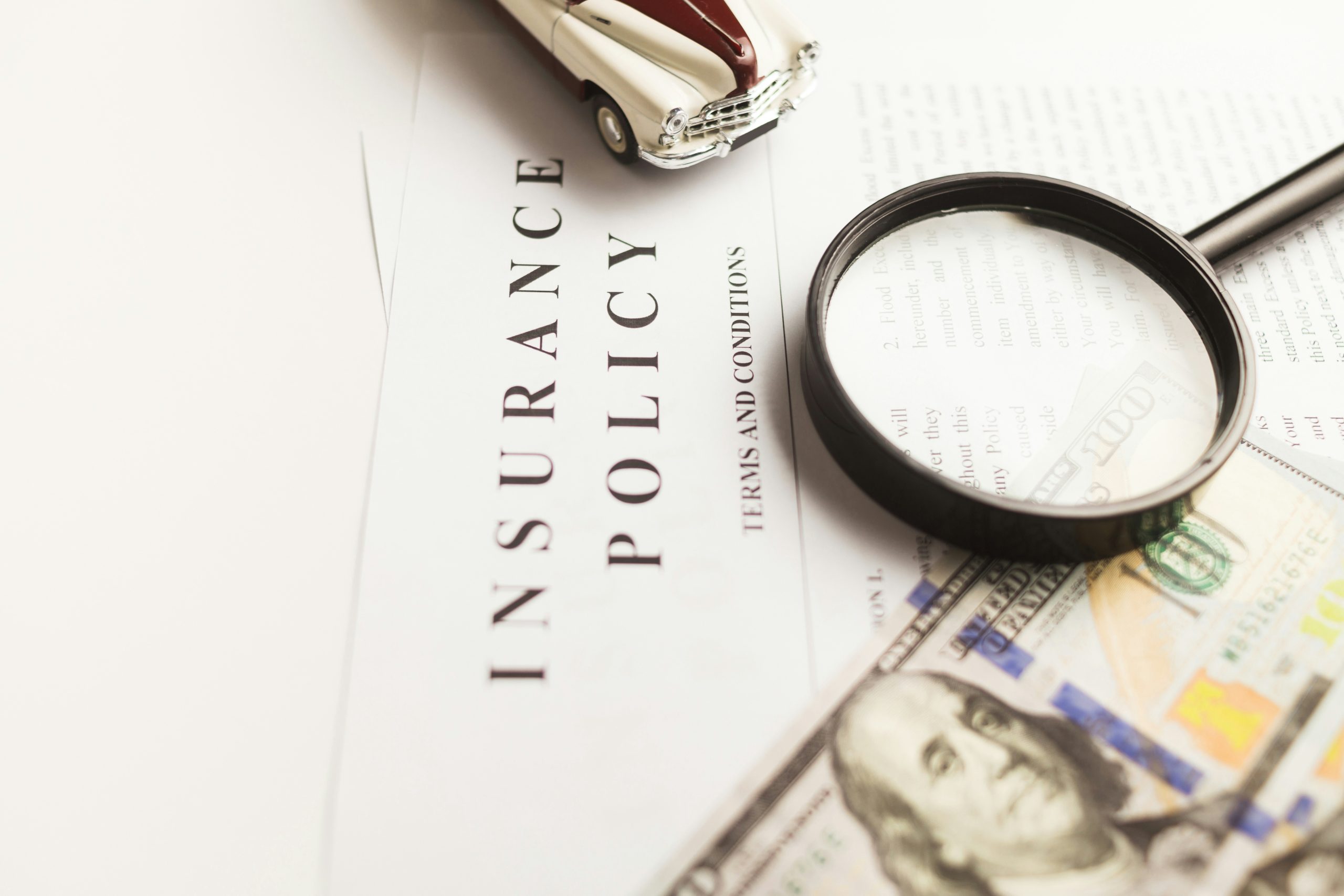
This is where the real financial hit lives. According to a nationwide analysis of insurance rate data pulled in early 2026, full coverage premiums jump by an average of 45 percent nationwide once a driver is found at fault for an accident causing at least $2,000 in property damage. That’s not a small adjustment. For a lot of households, that kind of jump changes the monthly budget in a real way.
The same analysis found that the increase isn’t uniform across age groups. A 50-year-old driver tends to see a steeper percentage increase, somewhere around 58 percent, while a 20-year-old driver’s premium rises by roughly 49 percent. That might sound backwards at first, since younger drivers are usually painted as the riskier group. But the explanation comes down to starting price: younger drivers already pay so much more for coverage that the same dollar increase looks smaller as a percentage. In actual dollars, the study found that a 20-year-old’s premium climbs by more than $2,000 a year after one at-fault crash, compared to roughly $1,073 for a 50-year-old. So while the percentage story favors older drivers, the dollar story does not.
A few other things worth knowing about at-fault increases:
- The size of the bump varies a lot by state, since some states have higher accident rates or pricier repair and medical costs baked into local insurance math.
- Your specific insurer matters too. Some carriers raise rates far more aggressively than others for the exact same accident.
- The increase typically doesn’t hit immediately. It usually shows up at your next renewal rather than mid-policy.
What Happens to Your Rates After a Not-At-Fault Accident
Here’s the flip side, and it’s a genuinely reassuring one. If you weren’t the one who caused the crash, your rate increase is dramatically smaller. Research from WalletHub found that a not-at-fault accident raises rates by an average of just 4 percent, compared to the roughly 50 percent jump tied to at-fault crashes. That gap illustrates the core point of this whole article: fault, not the crash itself, is what drives the price change.
Why does a not-at-fault accident move the needle at all? A few reasons come up consistently:
- Insurers sometimes see any accident on your record, regardless of fault, as a minor data point suggesting increased exposure to future claims.
- If you file a claim through your own insurer even when someone else caused the damage, some companies still factor that claim history into future pricing.
- State rules vary. Some states legally prohibit insurers from raising rates after a not-at-fault accident, while others allow it within limits.
If your rate does move after a no-fault crash, it’s worth calling your insurer directly and asking them to walk you through the reasoning. In many cases it’s a smaller, temporary bump rather than the kind of lasting increase tied to fault.
How Age and Location Change the Math
Fault is the biggest lever, but it’s not the only one. Two drivers with identical fault determinations can still end up with very different premium changes depending on where they live and how old they are.
Location plays an outsized role because insurance pricing is deeply tied to local risk data, including how often accidents happen in an area, how expensive it is to repair vehicles there, and how costly medical treatment tends to run in that state. That’s part of why the same at-fault accident can barely move the needle in one state while nearly doubling premiums in another.
Age interacts with this too, but in a more nuanced way than most people assume. As mentioned above, older drivers often see a bigger percentage jump specifically because their baseline premiums start lower, so a modest dollar increase translates into a larger percentage swing. Younger drivers already pay elevated premiums due to inexperience, so the percentage increase looks smaller even though the actual dollar cost is often much higher.
A quick way to think about it:
- Lower starting premium plus a moderate dollar increase equals a bigger percentage jump.
- Higher starting premium plus the same dollar increase equals a smaller percentage jump, even though the total cost paid may still be higher.
The Real Dollar Impact Over Time
It helps to zoom out from a single renewal and think about the multi-year picture. Most insurers keep an at-fault accident on your record and factor it into pricing for roughly three to five years, depending on the state and company. That means a 45 percent increase in year one doesn’t just disappear after twelve months. It typically compounds across multiple renewal cycles before it starts to taper off.
Consider a rough example. If your annual full coverage premium sits around $2,000 before an accident, a 45 percent increase adds roughly $900 a year. Spread that across three to five years of elevated pricing, and a single at-fault crash can end up costing several thousand extra dollars in premiums alone, separate from any deductible, repair costs, or medical bills tied to the accident itself.
This is one of the most overlooked parts of dealing with a crash. People tend to focus on the immediate cost of the vehicle repair, and understandably so, but the slow drip of an elevated premium over several years often adds up to a bigger total number than the repair bill did.
Steps to Take Right After a Crash
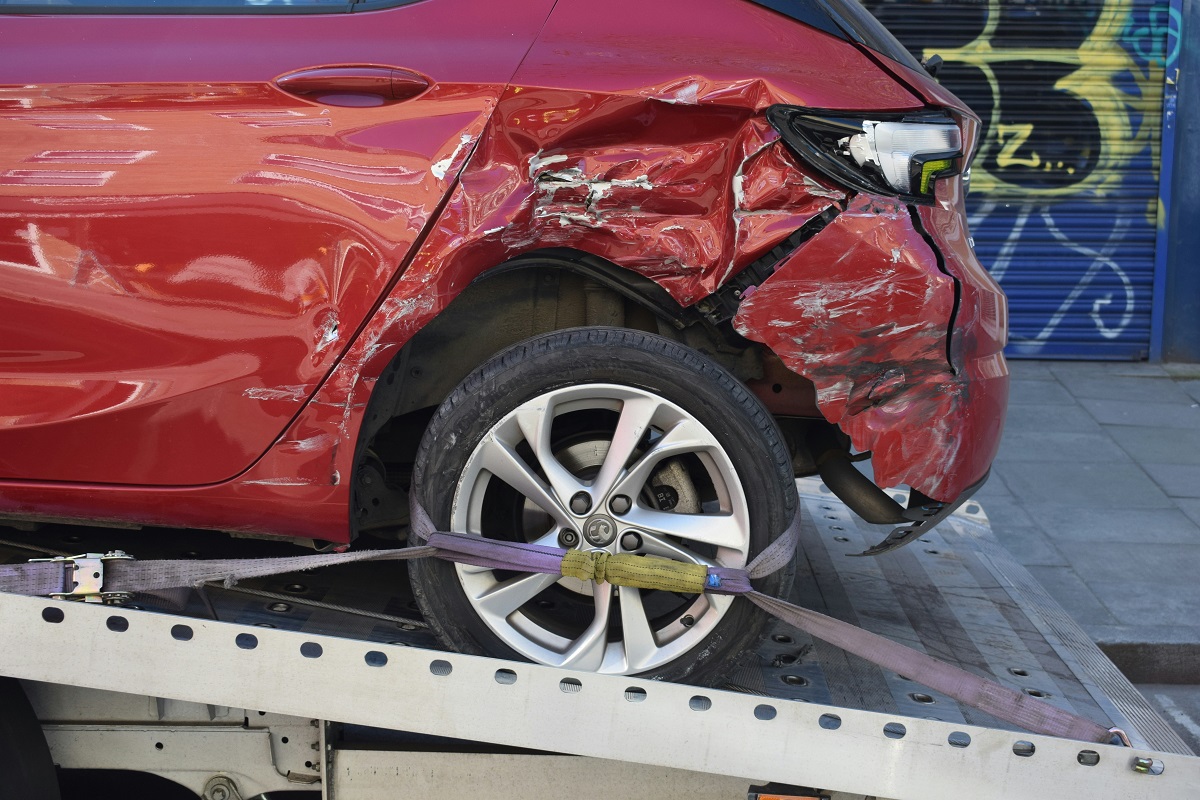
Whether or not the accident was your fault, there are a few practical moves that put you in a better position financially and logistically.
- Document everything at the scene, including photos of both vehicles, visible damage, license plates, and road conditions.
- Exchange insurance information with the other driver and get contact details for any witnesses.
- File a police report when the situation calls for one, since many insurers require it for claims above a certain damage threshold.
- Notify your insurer promptly, even for accidents that weren’t your fault, since delays can complicate the claims process.
- Start handling auto repairs after an accident by getting at least two repair estimates before committing to a shop, so you have a clearer sense of fair pricing before work begins.
- Keep copies of every document tied to the claim, from the police report to repair invoices, in case questions come up later about the details of what happened.
Taking these steps consistently, regardless of fault, protects you if the other driver’s story shifts or if there’s any dispute later about what actually occurred.
How to Soften the Blow to Your Premium
If you’re staring down an at-fault accident and bracing for a steep renewal, there are still a handful of ways to reduce the damage.
- Ask your current insurer whether you qualify for accident forgiveness, a feature some carriers offer that prevents your first at-fault accident from raising your rate at all.
- Shop around before renewal. Rate increases after an accident vary enormously between companies, so a carrier that seemed slightly pricier before might turn out to be far cheaper after a claim.
- Raise your deductible if your budget allows, since a higher deductible can sometimes offset part of the premium increase.
- Ask about telematics or usage-based programs, since some insurers now weigh actual driving behavior more heavily than they used to, which can help offset a fault-based increase over time.
- Bundle policies if you haven’t already, since combining auto with home or renters coverage sometimes unlocks discounts that partially cushion a rate hike.
None of these fully erase a 45 percent increase, but combined, they can meaningfully shrink the total amount you end up paying over the following renewal cycles.
When Rates Don’t Go Up At All
It’s worth noting that an accident doesn’t automatically guarantee a rate increase. A few scenarios can leave your premium untouched.
- Minor accidents under certain damage thresholds sometimes fall under small-accident forgiveness programs that some insurers offer automatically.
- Drivers with long, clean histories occasionally get a pass on their first at-fault incident, particularly with carriers that build loyalty-based forgiveness into their policies.
- Some states restrict how much or how quickly insurers can raise rates after a single accident, which can soften or delay the impact.
- If the accident results in a very small claim, or no claim is filed at all because both drivers handle repairs privately, there may be no rate impact whatsoever.
If you’re unsure whether your policy includes any of these protections, it’s worth a quick call to your agent before you assume the worst.
Final Thoughts
The short version is this: fault is the single biggest factor in whether your car insurance goes up after an accident, and by how much. At-fault drivers are looking at an average jump of around 45 percent, while drivers who weren’t responsible see something closer to a 4 percent bump, if their rate moves at all. Location, age, and your specific insurer all shift the numbers further, but fault sets the baseline for everything else. If you do find yourself in the at-fault category, the smartest move is to ask about forgiveness programs, compare quotes before your renewal lands, and treat the next few years of premiums as part of the real cost of the accident, not just the repair bill in front of you.