Purchasing a vehicle is a major financial investment. From the moment an automobile rolls off the dealership lot, it enters a continuous battle against mechanical wear, environmental hazards, and age-related degradation. Sun exposure, road salt, fluctuating temperatures, and the friction of moving parts all conspire to reduce a car’s operational reliability and visual charm. Many drivers react to problems only after an engine light illuminates, but true vehicle preservation requires a far more strategic approach.
Achieving long-term vehicle excellence demands a dual strategy balancing internal mechanical diligence with external surface protection. Focusing exclusively on engine maintenance while neglecting the body leads to a vehicle that runs well but suffers from unsightly corrosion. Conversely, obsessing over paint cleanliness while ignoring fluid changes results in a pristine exterior sitting atop a failing powertrain. Integrating both disciplines ensures your vehicle remains safe, dependable, and aesthetically impressive for years to come.
Proactive care offers substantial rewards beyond simple pride of ownership. Timely attention to minor issues prevents catastrophic mechanical failures that cost thousands of dollars to fix. Furthermore, a documented service history combined with cosmetic preservation commands top dollar on the resale market. Beyond financial advantages, a well-maintained vehicle delivers a smoother ride, optimal fuel efficiency, and critical safety assurance.
This guide breaks down essential automobile care into actionable steps. You will learn how to maintain internal engine health, preserve exterior paint finishes, safeguard braking and suspension systems, resolve glass and panel defects, and protect interior cabin materials while safeguarding your broader financial investment.
Prioritize Engine Longevity with Servicing and High-Quality Components
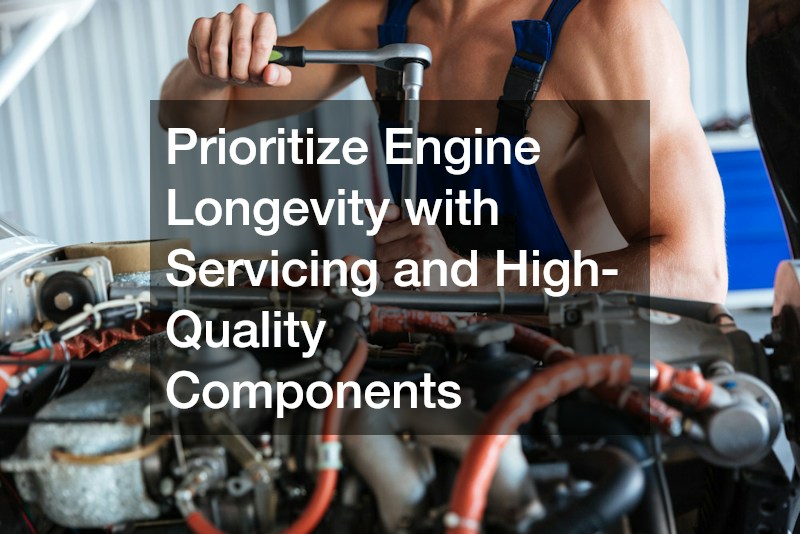
The internal combustion engine and its supporting drivetrain require consistent oversight to operate at peak efficiency. Fluid dynamics play a foundational role in this environment. Motor oil, transmission fluid, engine coolant, and power steering fluid undergo thermal breakdown and chemical oxidation over time. As motor oil degrades, its viscosity changes, reducing its ability to lubricate high-friction components like pistons and camshaft bearings. Adhering to strict fluid replacement schedules prevents sludge accumulation and internal metallic wear. Coolant must also be periodically flushed to preserve its anti-corrosive properties and prevent rust from clogging the radiator and water pump.
Air and fuel filtration systems require equal vigilance. The engine air filter acts as the primary line of defense against airborne debris that can scour cylinder walls and contaminate motor oil. A clogged air filter restricts airflow, forcing the engine control unit to compensate by altering the air-fuel mixture, which degrades fuel economy. Replacing this filter at recommended intervals ensures optimal combustion efficiency. Similarly, replacing cabin air filters prevents dust and allergens from overloading the heating and ventilation system.
Belts and hoses represent rubber components that suffer from heat cycling and constant tension. The serpentine belt drives essential accessories, including the alternator and water pump, while the timing belt synchronizes the engine valves with the pistons. Inspecting these belts for micro-cracking or glazing prevents sudden snapped belts that can cause severe internal engine damage. Radiator hoses should also be checked regularly for soft spots or brittleness that signal imminent failure.
Maintaining modern powertrains requires both technical expertise and quality replacement parts. Establishing a consistent diagnostic schedule with a trusted mechanic shop ensures that subtle electronic glitches, sensor failures, or fluid leaks are identified during routine lift inspections. For maintenance items that you choose to manage independently, sourcing components from a reliable local auto parts retailer guarantees that you install correct, high-grade filters, spark plugs, and fluids designed specifically for your engine’s tolerances.
Protect Your Vehicle Against Wear and Tear

Preserving a vehicle’s exterior requires far more than an occasional drive through an automated car wash. Modern automotive paint consists of a base color coat protected by a thin clear coat, which is constantly exposed to ultraviolet radiation, bird droppings, tree sap, and road salt. Implementing proper washing techniques is the first step in preventing surface degradation. Automated car washes with heavy spinning brushes act like coarse sandpaper, dragging trapped grit across the paint and leaving micro-scratches known as swirl marks. Instead, utilize the two-bucket hand wash method equipped with grit guards, pH-neutral soaps, and plush microfiber wash mitts to lift dirt away safely.
Periodic surface decontamination is necessary to remove contaminants embedded deeply into the clear coat. Passing a synthetic clay bar with a slick lubricant over painted surfaces pulls out embedded iron particles and industrial pollution, restoring a smooth feel. Following clay treatment, applying an iron remover chemically dissolves brake dust bonded to lower body panels and wheels, preventing localized oxidation spots.
Once the paint is completely clean, applying a protective sacrificial layer is essential to ward off environmental damage. Traditional waxes offer a warm shine but wash away quickly, whereas synthetic polymer sealants provide several months of barrier protection. For ultimate long-term protection, professional car ceramic coatings bind molecularly to the clear coat, forming an ultra-durable hydrophobic layer that repels water, mud, chemical stains, and harsh UV rays for multiple years while simplifying routine washing.
Neglecting clear coat maintenance eventually allows environmental acids and solar radiation to penetrate the clear layer, causing oxidation and peeling. Once clear coat failure occurs, simple detailing can no longer restore the surface. Preventing this level of destruction protects the underlying metal panels, avoiding the substantial expense associated with sending the vehicle to an auto body facility for panel stripping and full re-painting.
Ensuring Precise Handling, Braking Performance, and Highway Safety
A vehicle’s safety profile depends fundamentally on its ability to stop predictably and maintain mechanical traction. The braking system is subject to extreme friction and kinetic heat generation, making routine diagnostic checks vital. Friction material on brake pads wears down continuously during operation. Inspecting pad thickness through the wheel spokes allows you to identify wear before steel backing plates contact the brake rotors, which causes severe scoring, warping, and diminished stopping performance. Additionally, brake fluid absorbs atmospheric moisture over time. Water contamination lowers the fluid’s boiling point, resulting in a spongy pedal feel and potential vapor lock under hard braking conditions.
Tire care directly governs vehicle handling, emergency maneuvering, and fuel efficiency. Maintaining proper cold inflation pressure according to the manufacturer’s door placard prevents uneven tread wear and reduces rolling resistance. Under-inflated tires generate excessive heat and wear rapidly along outer shoulders, while over-inflated tires reduce the contact patch and compromise ride comfort. Tread depth must be monitored using a gauge or the penny test to ensure adequate water evacuation on wet roads. Rotating tires every six thousand miles ensures front and rear tread patterns wear evenly, maximizing tire set lifespan.
The suspension and steering systems work in tandem with tires to maintain vehicle stability and alignment. Shock absorbers, struts, ball joints, and tie rod ends gradually lose damping capability and structural tightness over tens of thousands of miles. Worn suspension components manifest as excessive body roll during cornering, nose-diving during braking, uneven tire cupping, and loose steering feedback. Inspecting shock bodies for oil leaks and checking ball joints for physical play helps restore factory handling dynamics.
Addressing minor braking or steering abnormalities early prevents localized wear from spreading to surrounding mechanical assemblies. Seeking prompt attention for grinding noises or pedal vibration through a certified brake repair specialist protects costly calipers and master cylinders from premature failure. Taking a proactive stance toward every aspect of car repair ensures that small mechanical anomalies are resolved before they escalate into major highway hazards or compromise vehicle control.
Fixing Minor Damage and Restore Visibility

Visual clarity and exterior panel integrity are critical for driver safety and structural preservation. The windshield acts as a primary structural element of the passenger cabin, contributing significantly to roof crush strength during a rollover event. Inspecting glass regularly for stone chips, bullseyes, and micro-pitting is essential. Temperature fluctuations, frame flex, and winter defroster usage can cause a small chip to spread rapidly across the glass as a stress crack. Utilizing resin injection kits promptly on small chips seals the glass layer and restores structural integrity before expansion occurs.
Wiper blade maintenance directly influences visibility during inclement weather. Over time, rubber wiper elements oxidize, split, and accumulate road film, leading to severe streaking across the glass surface. Operating worn wiper blades with exposed metal framing can permanently gouge deep arcs into the windshield, creating blinding glare during night driving. Replacing wiper blades every six to twelve months and cleaning rubber edges with rubbing alcohol preserves optical clarity and prevents glass abrasion.
Exterior body panels are constantly vulnerable to parking lot impacts, flying gravel, and environmental debris. When a door ding or small crease occurs, the protective paint layer is often disturbed, exposing raw sheet metal to ambient moisture and oxygen. Unattended stone chips on steel hoods quickly develop surface rust, which creeps beneath surrounding paint and causes blistering. Applying touch-up paint treated with rust inhibitors to minor chips seals the bare metal, halting corrosion before it takes root.
When impact damage occurs without breaking or cracking the factory paint finish, traditional body filling and panel repainting are often unnecessary. Utilizing modern paintless dent repair techniques allows skilled technicians to massage bent metal panels back to their original contours from behind using specialized rods and reflection boards. However, when severe road debris or stress cracks compromise the driver’s direct field of view or structural safety margin, seeking a complete auto glass replacement remains the only responsible option for restoring full cabin integrity and optical perfection.
Protect Your Interior and Manage Ownership Risks

The interior cabin is where you experience your vehicle every day, making material preservation vital for driving comfort and long-term resale appeal. Automotive interiors endure extreme temperature swings and direct ultraviolet exposure through the windows. Leather seats require routine cleaning with balanced cleaners followed by deep conditioning to replenish natural oils and prevent drying, cracking, and fading. Fabric upholstery and carpeting should be vacuumed frequently to remove abrasive dirt particles that grind down cloth fibers under foot traffic. Applying fabric protectants creates a stain-resistant barrier against accidental liquid spills and ground-in mud.
Controlling interior moisture and airflow is crucial to preventing foul odors and fungal growth. The air conditioning evaporator core naturally collects condensation during operation, creating an ideal breeding ground for mold and mildew if left damp. Running the ventilation fan on fresh air mode for the final few minutes of a drive helps dry out the evaporator housing. Additionally, placing silica desiccant packs beneath seats absorbs excess humidity during damp seasons, preventing window fogging and stale odors. Replacing the cabin air filter regularly guarantees clean airflow and protects the blower motor from debris buildup.
Beyond mechanical and physical care, managing the financial risks of vehicle ownership requires strategic administrative foresight. Unforeseen events such as hail storms, falling tree limbs, vandalism, or collisions with uninsured motorists can instantly inflict massive financial loss on a perfectly maintained vehicle. Selecting comprehensive insurance plans that include roadside assistance, rental car coverage, and low glass deductibles creates a financial safety net that protects your personal budget against unexpected damage.
When interior surfaces suffer severe degradation from years of heavy use, solar damage, or persistent stains, standard detailing products may prove insufficient. Investing in professional upholstery services restores torn leather seams, replaces sagged headliners, and repairs damaged floor carpets to factory standards. Coupling physical interior care with robust financial protection ensures that your automobile remains a reliable, comfortable, and fully protected asset throughout its operational lifespan.
Sustain Value and Performance Through Proactive Care
Keeping an automobile running smoothly and looking pristine is not the result of good luck; it is the direct outcome of consistent, proactive care. By approaching vehicle maintenance as an integrated discipline that encompasses engine mechanics, exterior paint preservation, chassis safety, structural repair, and interior stewardship, you protect both your daily driving experience and your long-term financial investment.
Creating a manageable maintenance schedule simplifies this process. Establishing monthly checks for tire pressure and fluid levels, bi-annual deep detailing and paint protection applications, and routine professional mechanical reviews breaks down comprehensive care into stress-free habits. Addressing minor noises, small chips, or fluid leaks immediately stops minor inconveniences from evolving into catastrophic repairs.
Ultimately, the effort you put into maintaining your vehicle yields continuous dividends. You enjoy enhanced reliability, superior fuel efficiency, advanced highway safety, and a sense of pride every time you step into the driver’s seat. Treating your vehicle with care ensures it will continue to serve you dependably for many years and thousands of miles to come.