The automotive landscape has entered a period of unprecedented data transparency and sophisticated buyer evaluation. The days of masking a sputtering engine with heavier motor oil, concealing a suspension pull with overinflated tires, or camouflaging clear-coat oxidation under a layer of carnauba wax are firmly in the past. Today, private individuals, dealership appraising teams, and institutional wholesale buyers arrive armed with comprehensive digital diagnostic tools, portable paint-depth gauges, and integrated vehicle history databases. Telematics records, computerized insurance databases, and electronic maintenance registries track every oil change, minor fender bender, and unpaid recall.
Maximizing your vehicle’s resale value requires shifting from a reactive mindset to an engineered, proactive lifecycle strategy. Every fluid flush, panel alignment, wheel reconditioning, and software calibration acts as a deposit into the vehicle’s remaining equity balance. Whether you intend to trade in your vehicle at a franchised dealership, negotiate an assertive private-party sale, or liquidate the asset through direct acquisition platforms, understanding the technical and mechanical variables that drive appraisals will keep your money where it belongs: in your pocket.
1. Establishing Bulletproof Mechanical Care and Documented Drivetrain Health
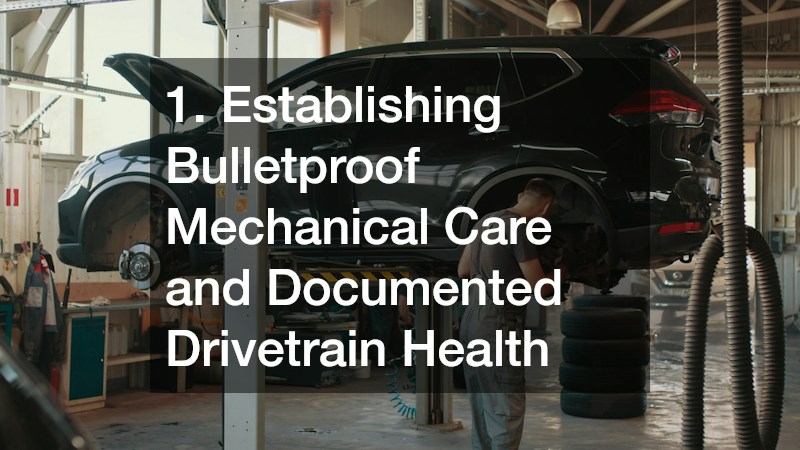
A vehicle is fundamentally an assembly of mechanical systems engineered to operate within defined thermal, hydraulic, and structural tolerances. While a clean aesthetic exterior captures initial interest on online listing portals, it is the mechanical reality under the hood and beneath the chassis that determines the final sale price. Sophisticated buyers and dealership technicians will always pop the hood, uncap fluid reservoirs, plug an OBD-II scanner into the diagnostic port, and listen intently during a cold start.
Adhere to Manufacturer Service Intervals and Build Digital Logbooks
The foundational pillar of high-value vehicle retention is continuous, documented adherence to the factory scheduled maintenance intervals outlined in the owner’s manual. A glovebox filled with an unorganized collection of grease-stained paper receipts is better than nothing, but modern buyers expect clean, chronological, and verifiable documentation:
-
Establish a Systematic Logbook: Maintain a dedicated service portfolio detailing date, mileage, service location, and exact part numbers used for every operational maintenance task. Record severe-service interval adjustments if you frequently drive in stop-and-go city traffic, tow trailers, or operate in extreme heat or cold.
-
Partner with Certified Diagnostic Specialists: Building an ongoing working relationship with a certified auto mechanic ensures your car receives comprehensive multi-point inspections at every oil change interval. Factory-trained technicians spot weeping water pumps, failing accessory belt tensioners, and minor oil pan seeps months before they leave you stranded or illuminate a check engine light.
Resolve Minor Mechanical Anomalies Before They Escalate into Deal-Breakers
During a buyer’s test drive, the human senses are hyper-alert. Any mechanical shudder during gear shifts, steering wheel vibration under braking, clunking over expansion joints, or lingering odor of burnt oil will trigger immediate price negotiations:
-
Address Suspension and Bushing Wear Early: Suspension compliance degrades gradually, meaning owners often grow accustomed to worn stabilizer bar links, deteriorated control arm bushings, or leaking struts. Sourcing reliable local auto repairs to replace worn chassis hardware eliminates front-end clunks, stabilizes highway tracking, and provides that tight, solid road feel characteristic of a well-maintained automobile.
-
Eliminate Squeaks and Brake Vibrations: Pulsations through the brake pedal or high-pitched squeals from the wheel wells immediately signal deferred maintenance. Have brake rotors measured for runout and thickness, replace worn ceramic brake pads, and flush old hygroscopic brake fluid to restore crisp pedal modulation.
2. Restoring Exterior Paint, Body Lines, and Panel Aesthetics
First impressions carry immense psychological weight in vehicle valuation. While mechanical components represent the functional heart of the car, the painted sheet metal, composite bumper covers, and exterior glass represent its public face. Aesthetic flaws convey neglect: a buyer who sees curbed alloy wheels, cloudy headlight lenses, and oxidized clear coat instinctively assumes the engine oil was rarely changed and the chassis was abused.
Eliminate Surface Scratches, Stone Chips, and Environmental Clear-Coat Fading
A paint finish that retains deep gloss, sharp optical reflections, and slick surface tension commands an immediate premium over identical models with faded, scratched finishes:
-
Assess the Depth of Surface Imperfections: Run your fingernail gently across paint scratches. If your nail glides over without catching, the defect is isolated within the clear-coat layer and can be safely compounded and machine-polished out. If your fingernail catches, the scratch has penetrated through to the basecoat or primer, necessitating professional spot repair.
-
Invest in Professional Panel Refinishing: When rock chips, deep key scratches, or bumper abrasions cannot be buffed away, retaining an experienced auto painting service restores the factory luster. Certified paint specialists use computerized spectrophotometers to match paint formulations exactly, accounting for age-related paint fade to blend panels seamlessly without leaving visible tape lines or color mismatches.
Realign Panel Gaps, Repair Bumper Scuffs, and Remove Door Dings
Prospective buyers and professional appraisers look down the side body lines of a vehicle, checking for straight reflection profiles and even panel gaps. Misaligned body panels, sagging bumper clips, and minor door dings suggest past unrecorded collisions:
-
Utilize Paintless Dent Repair: For standard parking lot door dings and hail dimples where the paint surface remains intact, paintless dent repair is the gold standard. Skilled technicians use specialized metal rods and reflection boards to massage metal back to its original factory contour from behind the panel, preserving the valuable original factory paint without using body filler.
-
Realign Exterior Trim and Lower Valances: Parking curb impacts frequently dislodge lower plastic air dams, inner fender liner pushpins, and front fascia clips. Visiting a well-equipped local auto body center allows technicians to re-clip sagging bumper corners, align misaligned hood hinges, and replace missing underbody fasteners in minutes.
3. Protecting Against Roadside Hazards and Mitigating Stranded Incident Risks
Owning a vehicle involves dealing with the unexpected hazards of daily road travel. Blown tires, cracked windshields, sudden electrical dropouts, and sudden cooling component failures occur on highways and back roads without warning. How an owner handles these roadside emergencies directly dictates whether an incident ends as a minor inconvenience or escalates into permanent, value-destroying mechanical damage.
A driver who attempts to limp a car with an overheating engine to the next exit risks warping aluminum cylinder heads, blowing head gaskets, and scoring cylinder walls. Similarly, continuing to drive on a tire that has lost air pressure crushes the internal carcass cords, damages the alloy wheel rim, and tears up wheel-well wiring harnesses. Maintaining full emergency readiness protects your vehicle from cascading mechanical breakdowns that ruin its market appraisal.
Maintain Emergency Readiness to Prevent Secondary Mechanical Degradation
Protecting your automotive asset requires structured operational protocols when unforeseen mechanical failures strike on the roadway:
-
Carry Comprehensive Emergency Coverage: Subscribing to a reliable auto roadside assistance program provides access to flatbed towing equipment whenever operational anomalies arise. If a vehicle begins running hot, loses oil pressure, or throws a flashing check engine light, shutting off the engine immediately and calling for a flatbed tow prevents catastrophic internal engine failure.
-
Insist on Flatbed Towing Specifications: Wheel-lift tow trucks that drag a vehicle behind them can ruin complex drivetrains. Modern all-wheel-drive, four-wheel-drive, and dual-motor electric platforms must never be towed with their drive wheels on the ground, as spinning mechanical differentials without hydraulic lubrication destroys transfer cases and drive units.
Tackle Wear-and-Tear Items to Avoid Compounding Component Failures
A vehicle’s systems operate symbiotically. When a secondary wear item fails, it accelerates the degradation of primary, high-cost assemblies. Ignoring small squeaks or slow fluid seeps creates an operational chain reaction that undermines overall vehicle reliability:
-
Resolve Cooling System Leaks Promptly: Coolant degrades over time, becoming acidic and attacking rubber hoses, plastic thermostat housings, and aluminum radiator cores. Scheduling necessary car repairs to swap brittle radiator hoses, leaking water pumps, or weeping heater cores keeps operating temperatures stable and prevents engine block warping.
-
Replace Worn Drive Belts and Tensioners: Serpentine belts drive vital engine accessories including the alternator, water pump, and power steering pump. Replace cracked, glazed, or squealing belts along with their spring-loaded mechanical tensioners. A thrown accessory belt on the highway causes immediate loss of steering assist and rapid engine overheating.
4. Rebuilding Collision Integrity and Managing Insurance Valuation Records
Accidents happen. Even the most cautious, defensive drivers can find themselves involved in multi-vehicle pileups, rear-end parking lot collisions, or low-speed fender benders. What separates a vehicle that loses half its market value from one that retains robust resale equity is the engineering precision and documentation accompanying the post-collision repair process.
Modern vehicles are built using unibody engineering that incorporates advanced high-strength steels, aluminum alloys, and strategically placed crumple zones designed to absorb and deflect impact energy around the passenger cell. Repairing these structures requires specialized equipment, structural bench pulling systems, computerized three-dimensional measuring arrays, and comprehensive system recalibration. Cutting corners with cheap body filler and mismatched paint will show up instantly on future trade-in appraisals.
Restore Structural Rigidity with Certified Structural Alignment and OE Parts
When an accident occurs, returning a damaged unibody chassis to exact factory structural dimensions is non-negotiable for future resale:
-
Select Certified Facilities: Choose an I-CAR Gold Class or manufacturer-certified auto collision center over general repair shops. Certified facilities invest in computerized laser-measuring benches that verify frame points, strut towers, and suspension subframes are pulled back to within millimeter-level factory tolerances.
-
Insist on Original Equipment Structural Components: Demand that repair estimates specify brand-new Original Equipment panels, bumper reinforcements, and suspension arms rather than cut-rate aftermarket imitation parts. Aftermarket body panels often use thinner-gauge steel, lack proper anti-corrosion dipping, and feature poor stamping lines that leave uneven, obvious panel gaps.
Document Comprehensive Claims History and Navigate Total-Loss Thresholds
Insurance claims leave a digital trail on vehicle history reports that future buyers will scrutinize. Managing this documentation carefully prevents an accident from unfairly destroying your vehicle’s resale value:
-
Work Cooperatively with Direct Claims Adjusters: Maintain clear, recorded communication when dealing with reputable auto insurance companies throughout the repair cycle. Ensure the adjuster approves repair methods that follow manufacturer technical service bulletins rather than cosmetic shortcuts that compromise structural safety.
-
Archive Complete Invoices and Part Lists: Keep an itemized copy of the final insurance repair bill listing every replaced bracket, plastic clip, and painted panel. When a prospective buyer sees an accident on the vehicle history report, handing them the full repair dossier showing the damage was purely cosmetic neutralizes their fear.
-
Verify Title Brands and Ownership Status: Ensure that clerical errors do not result in your vehicle being incorrectly branded with a salvage, rebuilt, or junk title after a claim. A branded title permanently destroys forty to sixty percent of a vehicle’s retail market value and makes it ineligible for standard financing.
5. Navigating Policy Protections and Timing the Final Liquidation Strategy
The financial health of an automobile is closely tied to the insurance protections covering it. Neglected glass chips, minor vandalism scratches, and dented panels left unrepaired because an owner wanted to avoid paying a deductible represent deferred equity losses. When the time comes to sell, these cumulative cosmetic and structural blemishes drive down appraisals far more than the cost of the original deductibles.
Equally important is selecting the right exit strategy when you are ready to sell. The modern automotive marketplace offers diverse liquidation channels, ranging from private marketplace listings to dealership trade-ins and instant cash-buying platforms. Choosing the right channel and timing your sale strategically around economic cycles and seasonal demand spikes maximizes your final cash return.
Leverage Comprehensive Coverage to Repair Glass and Environmental Blemishes
Maintaining your vehicle’s physical presentation often involves utilizing the specific policy coverages you already pay for:
-
Repair Windshield Pits and Cracks Immediately: A small rock chip in your windshield can quickly expand into an unrepairable foot-long crack across the driver’s field of vision after a sudden temperature shift. Most auto insurance policies provide full, zero-deductible glass coverage for resin chip repairs, preventing the need for an expensive full-windshield replacement and subsequent forward-facing camera recalibration.
- Avoid Amateur Touch-Up Paint Jobs: Applying thick, mismatched store-bought touch-up paint over rock chips often looks worse than leaving the bare chip. If you lack the wet-sanding and micro-polishing skills required to level touch-up paint flush with the surrounding clear coat, leave spot repairs to professional detailers or body specialists.
-
Maintain Seamless Comprehensive and Collision Protection: Avoid letting your insurance coverage lapse, even if a car sits unused for several weeks. Lapses can trigger administrative driver’s license holds, complicate registration renewals, and leave you financially exposed to garage damage, falling objects, or uninsured parking lot hits.
Evaluate Liquidation Channels Between Private Sales, Trade-Ins, and Instant Cash Buyers
When it is time to move on from your vehicle, selecting the appropriate sales channel depends on your priorities regarding time, convenience, and absolute financial return:
-
Weigh Private Party Sales Against Direct Liquidation: Selling a vehicle privately to another individual yields the highest gross transaction price, often five to fifteen percent above wholesale dealer offers. However, it requires significant personal effort: creating detailed photo listings, answering inquiries, filtering out unverified buyers, organizing public test drives, and verifying certified bank funds.
-
Utilize Streamlined Cash Acquisition Networks: If you want to bypass the time commitment, endless messages, and safety concerns of private sales, turning to platforms that sell car for cash offers a fast, frictionless alternative. Corporate car-buying operations, national dealership networks, and digital purchasing apps perform automated appraisals and can deposit verified funds directly into your account within twenty-four to forty-eight hours.
-
Time the Market Seasonally: Maximize your sale price by aligning the transaction with seasonal buyer demand. List rear-wheel-drive sports cars, convertibles, and roadsters in early spring as warm weather approaches. Conversely, sell all-wheel-drive crossovers, four-wheel-drive pickup trucks, and rugged SUVs in late autumn ahead of winter storms when buyers are actively shopping for snow-capable transportation.
Maximizing the resale value of your vehicle is not about last-minute cover-ups or deceptive sales tactics; it is the natural financial reward of disciplined, systematic ownership. Vehicles are complex, highly engineered investments that respond directly to the care and attention they receive throughout their operational lifespan.
By maintaining strict mechanical servicing, keeping chronological maintenance records, protecting delicate paint surfaces, addressing minor body imperfections, and utilizing insurance protections properly, you insulate your asset against rapid depreciation. When you bring a mechanically sound, visually pristine, and thoroughly documented automobile to market, you stand out from the sea of neglected inventory. You negotiate from a position of strength, justify top-tier market pricing, and complete your sale with speed, confidence, and maximum financial return.