Vehicle ownership represents one of the largest financial investments the average person makes. Yet, most drivers operate entirely on a reactive basis. They start thinking about their car only when a dashboard warning light flashes, an unfamiliar grinding sound echoes from under the hood, or an unexpected collision leaves them stranded on the shoulder of a busy highway. Operating reactively not only drives up repair bills over time but also exposes owners to safety hazards and severe financial liabilities.
Taking complete control of your vehicle requires a broad, multi-disciplinary approach. True automotive mastery involves more than just knowing when to change your engine oil. It requires an understanding of routine preventative maintenance, knowing how to handle complex specialized machinery, knowing how to manage structural frame restoration after an impact, and understanding the legal protections necessary to safeguard your assets after a major accident.
Core Mechanical Maintenance: Establishing a Proactive Upkeep Schedule
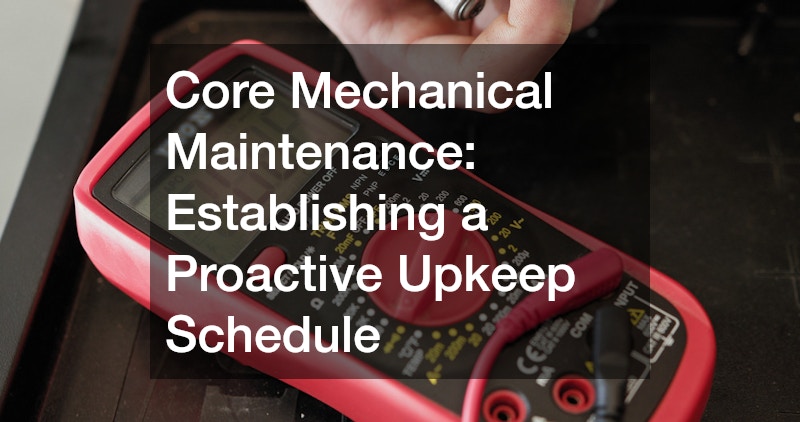
A proactive maintenance schedule forms the backbone of vehicle longevity and reliability. Modern automobiles are complex networks of mechanical components, high-pressure hydraulic systems, and sophisticated computer modules. Waiting for these systems to fail before seeking professional intervention inevitably causes cascade failures, where one worn component puts excessive stress on surrounding parts, multiplying total repair costs.
Developing a Trustworthy Maintenance Routine for Daily Drivers
Creating an effective maintenance schedule starts with ditching the generic advice found in universal driver guides and building a system tailored to your specific driving habits, local environment, and vehicle make.
- Audit Your Driving Environment: Frequent short trips under five miles, stop-and-go city commuting, extreme heat, cold weather, and driving on dusty or salted roads fall under the severe service schedule in most manufacturer manuals. This classification usually requires shortening fluid and filter replacement intervals by twenty-five to fifty percent.
- Establish a Digital Maintenance Log: Keep a dedicated folder or digital spreadsheet logging every service, date, mileage, and part number used. This documentation proves invaluable when preserving factory warranties and significantly boosts resale value when trading or selling your vehicle down the line.
- Identify Qualified Professionals Early: Do not wait for a breakdown to start hunting for a skilled car mechanic who understands your vehicle’s specific brand nuances. Look for facilities staffed by Automotive Service Excellence certified technicians, ask about their labor warranties, and gauge their willingness to explain diagnostic reports clearly before handing over your keys.
- Monitor Critical Fluid Lifespans: Engine oil, transmission fluid, coolant, brake fluid, and power steering fluid degrade through heat cycles and oxidation. Visually check fluid levels monthly and inspect color and consistency to spot internal contamination before major component damage occurs.
Choosing Between Dealerships and Independent Service Providers
Navigating the choice between authorized dealership service departments and independent repair facilities often leaves vehicle owners conflicted about cost, convenience, and service quality.
Dealerships offer factory-trained technicians who specialize exclusively in your specific brand, using original equipment manufacturer parts and specialized proprietary diagnostic tools. This expertise makes them well-suited for resolving complex electrical issues, safety recalls, and warranty-covered repairs. However, this high level of specialization comes with premium labor rates and strict adherence to component replacement over component repair, which can substantially increase out-of-pocket costs.
Independent repair facilities, on the other hand, often offer more competitive labor pricing and flexible repair strategies. Many independent shops utilize high-quality aftermarket components that match or exceed original factory specifications at a fraction of the price. Under federal regulations like the Magnuson-Moss Warranty Act, vehicle owners can legally have their vehicles serviced at any independent facility using compliant parts without voiding their manufacturer’s warranty, provided they keep accurate service records. Call an auto repair services for support.
Critical Safety Systems: Preventing High-Cost Wear and Tear
While engine performance and drivetrain efficiency keep your vehicle moving, its safety systems determine your ability to control and stop the vehicle in critical situations. Failing to monitor and maintain friction components and hydraulic systems endangers passengers and turns minor, inexpensive replacement services into major overhaul projects.
Essential Brake Inspection and Replacement Procedures
The braking system is your vehicle’s primary defense against collisions. Modern braking systems operate using hydraulic pressure that forces friction pads against spinning metal rotors. Because these components rely on friction to convert kinetic energy into thermal energy, wear is continuous and inevitable.
- Listen for Audible Warning Cues: Most brake pads feature small metal wear indicators that emit a high-pitched squeal when pad material drops below three millimeters. Ignoring this sound leads to metal-on-metal contact, damaging expensive rotors and calipers.
- Pay Attention to Pedal Feel: A spongy, soft, or sinking brake pedal usually indicates air in hydraulic lines, moisture contamination reducing fluid boiling points, or a failing master cylinder that requires immediate bleeding or component replacement.
- Watch for Steering Wheel Vibrations: Pulsation felt through the pedal or steering wheel during high-speed deceleration often points to uneven rotor surface wear or lateral runout, which requires rotor resurfacing or complete replacement.
- Select Appropriate Friction Materials: Choose ceramic pads for quiet operation, low dust production, and long life in daily commuters. Opt for semi-metallic pads if you regularly tow heavy loads or drive in steep, hilly terrain where high thermal resistance is required.
Finding Fast, Reliable Solutions for Everyday Breakdown Scenarios
Even well-maintained vehicles can experience sudden mechanical failures, such as flat tires, dead batteries, failed alternators, or ruptured cooling hoses. Having an emergency action plan minimizes downtime and reduces the physical dangers of being stranded on busy road shoulders.
Building a working relationship with dependable local auto repair facilities gives you a trusted destination when an emergency arises. Establish contact with a reliable shop in your primary driving area before you need emergency assistance. Keep their direct telephone number stored in your phone alongside your roadside assistance membership information. See a professional for local auto repairs.
Specialized Maintenance: Beyond the Standard Passenger Car
Vehicle ownership often extends beyond traditional four-door passenger sedans and light crossovers. Many individuals manage heavy-duty work vehicles, recreational diesel haulers, or watercraft. These specialized machines operate under harsh working conditions and unique environmental stress factors that demand specialized technical knowledge and unique repair equipment.
On-Demand On-Site Care for Heavy Vehicles and Commercial Fleets
Commercial haulers, large diesel pickup trucks, and heavy recreational vehicles carry immense payloads and travel long distances under demanding loads. When one of these heavy-duty vehicles suffers a breakdown, traditional flatbed towing is often difficult, cost-prohibitive, or physically impossible based on location.
Specialized mobile semi repair units solve this challenge by bringing fully equipped diagnostic tools, heavy-duty air compressors, hydraulic presses, and specialized replacement parts directly to the vehicle’s location on the roadside or worksite. These specialized mobile technicians can perform complex diagnostics, replace blown air brake lines, clear diesel particulate filter fault codes, fix failed wheel bearings, and resolve electrical issues right on site. See an expert for brake repairs.
Environmental Comfort System Upkeep for Watercraft
Specialized environmental control systems face harsh working conditions, particularly systems installed on marine vessels. Boat air conditioning units operate in highly corrosive, high-humidity saltwater environments that present maintenance challenges non-existent in automotive applications that may need marine AC repair.
- Inspect Raw Water Intake Strainers: Marine cooling systems pull ambient water to cool air conditioning condenser coils. Regularly clear marine growth, weeds, and debris from intake strainers to prevent system overheating and high-pressure lockouts.
- Flush Heat Exchangers Seasonally: Salt and mineral scale accumulate inside copper-nickel heat exchangers, drastically reducing thermal transfer efficiency. Flush these loops annually using mild descaling solutions to maintain peak cooling performance.
- Check Electrical Connections for Corrosion: High ambient humidity accelerates electrical oxidation. Clean, tighten, and coat all wire terminals, relays, and control board connections with marine-grade dielectric grease during seasonal pre-inspections.
- Maintain Ductwork and Condensate Drains: Standing water in condensate pans can harbor mold and cause overflow damage to interior cabin woodwork. Ensure drain lines are clear, sloped properly, and fitted with functional check valves.
Collision Recovery and Cosmetic Restoration
Experiencing a motor vehicle collision is a disorienting, high-stress event. Once initial safety concerns are addressed, attention turns toward restoring the vehicle to its pre-accident structural, mechanical, and visual condition. Navigating the collision recovery process requires a solid understanding of structural alignment, paint protection, and your consumer rights regarding insurance claims. A car painting services could be beneficial
Navigating Post-Accident Structural Diagnostics and Repairs
Modern vehicles rely on unibody construction and engineered crumple zones designed to absorb and dissipate impact energy around the passenger cabin during a crash. Even a low-speed impact can subtly compromise structural frame alignment, misalign suspension mounting points, and damage underlying safety sensors without leaving obvious visual clues on the outer body panels.
Choosing certified auto body shops rather than simply opting for an insurance company’s lowest-bidding preferred provider ensures your vehicle receives comprehensive structural diagnostics. Qualified repair facilities utilize three-dimensional laser measuring systems to compare frame alignment against original factory specifications, pulling and squaring chassis points back within millimeter tolerances.
Preserving and Enhancing Vehicle Exterior Finish
Protecting a vehicle’s exterior surface goes beyond basic cosmetics; it is essential for preventing rust propagation, preserving structural panel integrity, and maintaining long-term resale value. Sunlight, chemical road de-icers, industrial fallout, and bird droppings continuously degrade the protective clear coat layer protecting your car’s underlying paint.
- Wash and Decontaminate Regularly: Wash your vehicle every two weeks using pH-neutral automotive soaps. Use a clay bar treatment annually to remove embedded iron particles and road tar before applying protective coatings.
- Apply Paint Protection Formulations: Apply durable synthetic paint sealants, high-grade carnauba waxes, or semi-permanent ceramic coatings to create a hydrophobic barrier that shields against ultraviolet oxidation and chemical etching.
- Address Paint Chips and Scratches Promptly: Deep scratches that penetrate down to the primer or bare metal allow moisture to reach steel panels, starting micro-corrosion that spreads unseen beneath the surrounding paint layer.
- Invest in Professional Spray Techniques: When repairing major damage, blending panel repairs, or refinishing aged clear coats, rely on automated, temperature-controlled spray booths to eliminate dust contamination and guarantee factory-level paint adhesion.
Legal Protection and Managing Post-Accident Claims

When a vehicle accident results in property damage, physical injuries, or lost income, managing mechanical repairs is only half the battle. Navigating the complex legal and insurance landscape following a crash is essential to protect yourself from predatory settlement practices and secure fair compensation for your losses.
Essential Steps at the Scene of a Crash to Guard Your Rights
The actions you take immediately following a motor vehicle accident lay the legal foundation for all subsequent insurance claims and court proceedings. Panic and adrenaline can impair judgment, making it vital to follow a clear, methodical protocol.
First, prioritize safety by moving operational vehicles out of active traffic lanes, turning on hazard lights, and checking all involved parties for injuries. Call emergency services immediately to dispatch police and medical personnel. Always insist on filing an official police report, even for minor incidents, as this provides an impartial record of facts, weather conditions, driver statements, and citations issued at the scene.
Document the scene thoroughly using your smartphone. Take detailed photos and videos showing vehicle positions, overall damage from multiple angles, license plates, road skid marks, traffic signals, and any physical obstructions. Exchange contact and insurance information with all drivers, but strictly limit your conversation to basic factual exchanges. Avoid discussing fault, apologizing, or making off-hand comments about your physical condition, as insurance adjusters can use early statements to contest liability or minimize injury severities later. You may also seek guidance from personal injury lawyers.
Securing Max Representation for Complex Injury and Vehicle Damage
Navigating personal injury claims and disputed liability requires deep knowledge of tort law, comparative negligence rules, and insurance policy coverage limits. Attempting to negotiate directly with seasoned insurance adjusters often results in substantially lower compensation for pain, suffering, medical treatment, and long-term loss of earning capacity.
Selecting the best car accident attorney for your case involves researching firm track records, trial experience, and communication transparency. Look for legal representation that operates on a contingency fee model—meaning they only get paid if they secure a successful recovery or settlement on your behalf.
Mastering Your Vehicle Investment

Driving and owning a vehicle does not have to feel like an unpredictable game of financial roulette. By shifting from a reactive mindset to a proactive strategy, you take full ownership of your vehicle’s safety, reliability, and market value.
Consistent mechanical upkeep, timely safety system inspections, specialized care for unique equipment, and proper cosmetic preservation keep your vehicle performing safely and efficiently for years to come. When unexpected collisions or legal disputes arise, knowing how to choose certified structural repair specialists and experienced legal counsel safeguards your health and personal finances. Take control of your automotive care today, establish strong working relationships with trusted service professionals, and drive with confidence knowing you are fully prepared for whatever lies ahead on the open road.