
Keeping your vehicle in peak condition isn’t just about convenience—it’s about safety, reliability, and long-term savings. A well-maintained car performs better, lasts longer, and helps you avoid unexpected breakdowns that can disrupt your day or even put you in danger. The key is consistency: small, proactive steps over time make a massive difference in how your vehicle runs and how much you spend on it.
In this guide, you’ll learn practical, real-world strategies to keep your vehicle operating at its best. From building a maintenance routine to making smarter driving decisions, these tips are designed to help you protect your investment and stay safe on the road.
Build a Preventive Maintenance Routine That Actually Works
A consistent maintenance routine is the backbone of keeping your vehicle reliable for years to come. Many drivers underestimate how quickly small oversights can snowball into expensive issues, especially when basic upkeep is ignored. Establishing a structured plan helps you stay ahead of wear and tear instead of reacting to it. It also allows you to spread out maintenance costs over time rather than facing sudden, high repair bills. When you commit to routine upkeep, you significantly reduce the chances of unexpected breakdowns.
Start by breaking your maintenance into manageable intervals:
Monthly checks
- Inspect tire pressure and tread depth
- Check fluid levels (coolant, brake fluid, washer fluid)
- Look for leaks under the vehicle
Quarterly tasks
- Test your battery and clean terminals
- Inspect belts and hoses for cracks or wear
- Rotate tires if needed
Annual maintenance
- Replace filters (air, cabin, fuel, if applicable)
- Inspect brakes thoroughly
- Schedule a full inspection with a professional
One of the most important habits you can build is staying consistent with oil changes. Fresh oil keeps your engine lubricated, reduces friction, and prevents overheating. Skipping this simple step often leads to premature engine wear and costly car repairs that could have been avoided.
Pro tips:
- Use a maintenance tracking app or notebook
- Set calendar reminders for recurring services
- Keep all receipts to monitor patterns and costs
Staying organized and proactive gives you control over your vehicle’s health and helps you avoid unnecessary stress. Over time, these small habits add up to major long-term benefits.

Catch Small Issues Before They Become Expensive Problems
Every vehicle gives off warning signs when something isn’t right, but many drivers either miss them or choose to ignore them. Paying close attention to how your car looks, sounds, and feels can make a significant difference in preventing major failures. Small issues rarely stay small if they aren’t addressed, and what starts as a minor inconvenience can quickly escalate into a serious mechanical problem. Being proactive means taking action as soon as something feels off, even if it seems insignificant at first. This mindset can save you from both unexpected downtime and high repair costs. Developing this awareness is one of the most valuable skills any vehicle owner can have.
Watch for these red flags:
- Unusual noises (grinding, squealing, knocking)
- Burning or musty smells
- Vibrations while driving
- Dashboard warning lights
When you notice something off, it’s best to consult professional auto repair services rather than waiting. Early diagnosis often means a simple fix instead of a major repair.
Climate control systems are a common example. A slight decrease in cooling efficiency might not seem urgent, but ignoring it can lead to a full car AC repair down the line.
Actionable habits:
- Perform a quick walk-around inspection weekly
- Listen carefully when starting and driving your car
- Address issues immediately instead of delaying
Being attentive to early warning signs keeps your vehicle running smoothly and helps you stay ahead of costly repairs. Acting quickly is always easier than dealing with a major breakdown later.
Protect Your Vehicle’s Exterior From Long-Term Damage
Your vehicle’s exterior plays a critical role in protecting the underlying structure from environmental damage. Exposure to sun, rain, dirt, and road debris can gradually wear down the finish, leading to fading, corrosion, and even structural issues over time. Many drivers focus primarily on performance while overlooking how important exterior maintenance is for long-term durability. A well-maintained exterior not only improves appearance but also preserves the integrity of your vehicle. Taking preventative measures early can significantly reduce the need for more extensive restoration work later.
Regular care routine
- Wash your car every 1–2 weeks
- Wax every 3–4 months
- Remove bird droppings and tree sap immediately
Investing in car paint protection options like sealants or ceramic coatings can add an extra layer of defense against UV rays, dirt, and debris.
Even with careful maintenance, damage can happen. Small dents or scratches should be addressed early by trusted auto body repair shops before they worsen or lead to rust.
Smart prevention tips:
- Park in shaded or covered areas
- Avoid parking under trees when possible
- Use protective covers if storing long-term
Consistent exterior care protects both the appearance and value of your vehicle. A little effort now can prevent much bigger issues later.

Drive Smarter to Prevent Wear and Tear
The way you drive has a direct impact on how long your vehicle lasts and how well it performs. Aggressive habits such as rapid acceleration, hard braking, and sharp turns put unnecessary strain on critical components. Over time, this added stress leads to faster wear and increases the likelihood of mechanical issues. By adopting smoother, more controlled driving techniques, you can significantly reduce this strain and extend the life of your vehicle. Safer driving also improves fuel efficiency and reduces overall operating costs. Developing mindful driving habits benefits both your vehicle and your safety on the road.
Adopt these safer driving habits:
- Accelerate and brake smoothly
- Maintain a safe following distance
- Avoid sudden lane changes
Defensive driving also reduces the likelihood of accidents that require auto collision repairs. Staying alert and anticipating other drivers’ actions can prevent many common incidents.
Road hazards are another concern. Gravel, potholes, and debris can cause chips that eventually require windshield repairs.
Practical tips:
- Slow down on rough or unfamiliar roads
- Avoid tailgating to reduce debris impact
- Replace damaged glass promptly to prevent spreading cracks
Driving with care not only keeps you safer but also minimizes unnecessary wear on your vehicle. Small adjustments in your habits can lead to significant long-term savings.
Keep Your Transmission Running Smoothly for Years
Your transmission is one of the most complex and essential systems in your vehicle, responsible for transferring power from the engine to the wheels. Because of its complexity, it is also one of the most expensive components to repair or replace. Many transmission issues develop gradually, often starting with subtle changes in performance that are easy to overlook. Paying attention to these early signs and maintaining proper fluid levels can prevent major failures. A well-maintained transmission ensures smoother shifting, better fuel efficiency, and an overall improved driving experience.
Warning signs to watch for:
- Delayed or rough shifting
- Slipping gears
- Unusual noises or vibrations
Regular fluid checks and changes are essential. Transmission fluid lubricates internal components and prevents overheating.
Ignoring early warning signs can lead to severe damage requiring an auto transmission rebuild, which is far more expensive than routine maintenance and other car repairs.
Best practices:
- Avoid excessive towing beyond your vehicle’s capacity
- Come to a complete stop before shifting gears
- Schedule regular inspections
Proper transmission care ensures consistent performance and reduces the risk of major mechanical failures. Staying proactive with maintenance keeps your vehicle running smoothly for years.

Maintain Clear Visibility for Safer Driving
Clear visibility is one of the most important factors in safe driving, yet it is often taken for granted until a problem arises. Dirt, streaks, and minor damage can all reduce your ability to see clearly, especially in challenging weather conditions. Even small imperfections can distort your view and increase reaction time in critical moments. Maintaining your vehicle’s glass and visibility systems should be a regular part of your routine. Taking simple steps to ensure clarity can make a significant difference in overall driving safety. Prioritizing visibility helps you stay aware of your surroundings and react quickly when needed.
Routine visibility checks:
- Inspect your windshield for chips or cracks
- Replace worn or streaking wiper blades
- Keep washer fluid topped off
Small chips can quickly spread, especially with temperature changes. Addressing them early through windshield repairs is far more affordable than full replacement.
Professional auto repair services can ensure proper installation and sealing when replacements are necessary.
Seasonal considerations:
- Use winter-grade washer fluid in colder climates
- Check defrosters before winter
- Clean both inside and outside glass surfaces regularly
Maintaining clear visibility supports safer driving in all conditions. Regular attention to these details can prevent avoidable risks.
Preserve Performance in Older and Classic Vehicles
Older and classic vehicles require a different level of care compared to modern cars. Their components may be more delicate, harder to find, or designed with older technology that needs specialized attention. Maintaining these vehicles properly helps preserve both their performance and their value over time. Owners of classic cars often need to be more diligent with inspections and preventative maintenance. Working with experienced professionals who understand these vehicles is essential for long-term success. With the right approach, even aging vehicles can remain reliable and enjoyable to drive.
Working with a trusted local classic auto repair specialist ensures your vehicle gets the proper treatment.
Key maintenance priorities:
- Regular inspections of aging components
- Use of appropriate fluids and parts
- Monitoring for rust and corrosion
Auto body repair shops also play an important role in preserving structural integrity and appearance, especially for restoration projects.
Storage tips:
- Keep the vehicle in a dry, climate-controlled space
- Use a breathable car cover
- Start and run the engine periodically
Proper care keeps older vehicles in excellent condition and protects their long-term value. Attention to detail makes all the difference with classic models.
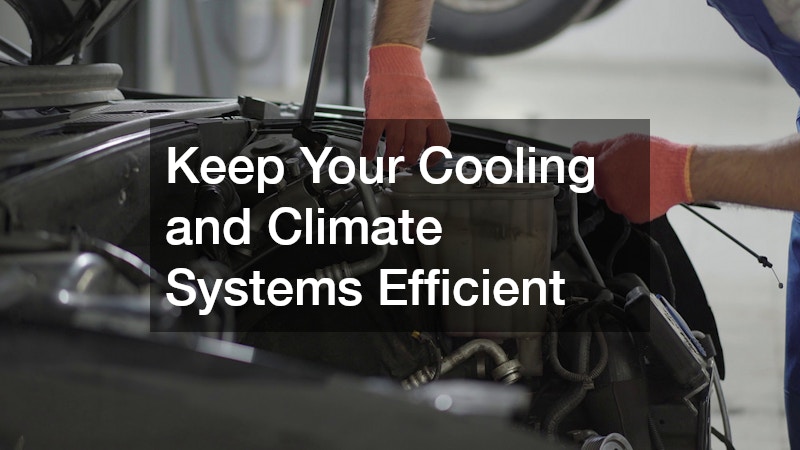
Keep Your Cooling and Climate Systems Efficient
Your vehicle’s cooling and climate systems are essential for both engine performance and driver comfort. Without proper maintenance, these systems can become less efficient, leading to overheating or reduced cooling capability. Many drivers only think about these systems when something goes wrong, but preventative care can help avoid sudden failures. Keeping everything running efficiently ensures a more comfortable ride and helps protect critical engine components. Regular checks and timely servicing are key to maintaining consistent performance.
Maintenance steps:
- Check coolant levels regularly
- Inspect hoses and radiator for leaks
- Replace cabin air filters as needed
If your system isn’t cooling effectively, it may be time for a car AC repair before the issue worsens.
Regular oil changes also play a role in temperature regulation by reducing engine friction and heat buildup.
Helpful habits:
- Run your AC periodically, even in cooler months
- Monitor temperature gauges while driving
- Address overheating immediately
Maintaining these systems helps ensure both comfort and reliability. A well-functioning system supports overall vehicle health.
Choose the Right Professionals for Long-Term Care
Finding the right professionals to care for your vehicle is just as important as the maintenance itself. Not all service providers offer the same level of quality, and choosing the wrong one can lead to poor workmanship and recurring issues. Building a relationship with a trusted technician gives you confidence that your vehicle is in good hands. Reliable professionals will provide honest recommendations and prioritize long-term performance over quick fixes. Taking the time to research and choose wisely can make a significant difference in your vehicle’s lifespan.
What to look for:
- Certifications and training
- Positive customer reviews
- Transparent pricing and communication
Reliable auto repair services will provide honest assessments and quality workmanship.
In the event of an accident, choosing experienced specialists for auto collision repairs ensures your vehicle is restored safely and correctly.
Questions to ask:
- What warranties do you offer?
- Can you provide a detailed estimate?
- Do you use quality parts?
Choosing the right professionals gives you peace of mind and ensures your vehicle receives proper care. Strong partnerships lead to better long-term results.
Plan Ahead to Maximize Vehicle Lifespan and Value
Taking a long-term approach to vehicle maintenance allows you to stay ahead of potential issues and manage costs more effectively. Instead of reacting to problems as they arise, planning ahead helps you anticipate future needs and budget accordingly. This approach reduces stress and ensures that your vehicle remains in top condition throughout its lifespan. Proactive planning also allows you to prioritize upgrades and preventative measures that can extend performance and reliability. By thinking strategically, you can make smarter decisions about when and how to invest in your vehicle.