Owning a vehicle is one of the most practical parts of modern life, but it also comes with ongoing responsibility. Cars are no longer simple mechanical machines—they are complex systems made up of electronics, sensors, precision engineering, and advanced materials that all need to work together seamlessly.
Because of this complexity, even small issues can gradually develop into larger problems if they are ignored. What starts as a minor sound, vibration, or performance change can eventually lead to major breakdowns or expensive replacements.
The good news is that most serious vehicle problems are preventable. With the right knowledge and habits, drivers can extend the lifespan of their cars, reduce repair costs, and maintain safer driving conditions. This guide focuses on helping you understand how vehicle care works in real-world situations so you can make smarter decisions and avoid unnecessary stress.
Identifying Early Mechanical Issues
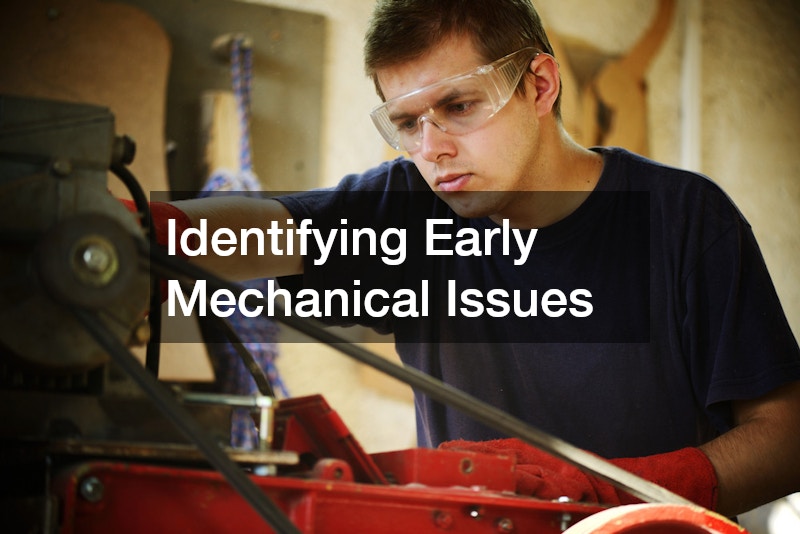
Every vehicle gives warning signs before a major failure occurs. The key is learning to recognize those signals early and respond appropriately. Many drivers overlook subtle changes in performance, assuming they are temporary or insignificant, but these changes often indicate deeper issues.
When problems begin to appear, timely auto repairs can prevent them from escalating into more expensive damage. Addressing issues early is one of the most effective ways to maintain long-term vehicle health.
Common early warning signs include:
- Unusual engine sounds such as knocking or ticking
- Reduced acceleration or sluggish performance
- Sudden drops in fuel efficiency
- Vibrations when braking or turning
- Warning lights that appear intermittently
Modern vehicles rely heavily on computerized systems, which means even small faults can affect multiple components at once. A minor sensor malfunction, for example, can impact fuel mixture, emissions, and engine timing.
Taking action early helps you:
- Avoid major mechanical failures
- Reduce long-term repair costs
- Maintain smoother and safer driving performance
- Prevent secondary damage to related systems
Being proactive instead of reactive is one of the most important habits any vehicle owner can develop.
Understanding Diagnostic and Repair Environments
Once a problem is detected, the next step is proper diagnosis. Modern repair environments rely on advanced tools and trained technicians to accurately identify issues rather than relying on guesswork.
Professional automotive repair shops typically use computer diagnostics, physical inspections, and road testing to determine the exact cause of a problem. This approach ensures that repairs address the root issue instead of just temporary symptoms.
A standard diagnostic process may include:
- Electronic system scanning for error codes
- Inspection of fluid levels and conditions
- Brake, suspension, and steering evaluation
- Battery and charging system testing
- Controlled test drives to replicate issues
This structured approach helps ensure accuracy and prevents unnecessary replacement of parts.
Well-equipped facilities can often identify problems that are not immediately noticeable to drivers. This is especially important in modern vehicles where multiple systems are interconnected.
Key advantages of professional diagnostics:
- Faster identification of complex issues
- Reduced risk of misdiagnosis
- More efficient repair planning
- Better long-term reliability
Understanding how these environments operate helps drivers feel more confident when approving repairs and asking questions about their vehicle’s condition.
Choosing Reliable Service Providers

Selecting where to take your vehicle is just as important as identifying the problem itself. The quality of service can vary widely between providers, and choosing poorly can lead to repeated issues or unnecessary expenses.
Many drivers evaluate different auto repair companies before deciding where to bring their vehicle. A reliable provider should be transparent, communicative, and consistent in both pricing and service quality.
Important factors to consider include:
- Clear and detailed written estimates
- Availability of warranties on parts and labor
- Technician training and certification levels
- Customer feedback and reputation
- Transparency in explaining repair options
A trustworthy provider will always explain what is wrong, why it happened, and what options are available before starting any work.
Additional smart practices when selecting a provider:
- Get multiple estimates for major repairs
- Ask questions about replacement part quality
- Avoid shops that pressure immediate approval without explanation
- Look for long-term customer relationships rather than one-time transactions
For ongoing maintenance and everyday issues, choosing a dependable local car repair provider can make a significant difference in both convenience and long-term vehicle health. Unlike larger chains, a trusted local car repair shop often provides more personalized service, quicker turnaround times, and a deeper understanding of your vehicle’s history.
Improving Comfort and Exterior Protection
Vehicle maintenance is not only about fixing mechanical issues—it also includes protecting and enhancing the car’s comfort and appearance. Many drivers invest in upgrades that improve driving experience while preserving the vehicle’s condition.
One popular enhancement is auto window tinting, which improves comfort by reducing sunlight exposure inside the cabin. This is especially useful in hot climates or during long commutes.
Benefits include:
- Lower interior temperatures during warm weather
- Reduced glare from sunlight and headlights
- Protection against UV-related interior fading
- Increased privacy and security
Window tinting also reduces strain on the air conditioning system, which can improve overall efficiency.
Another highly effective protective solution is car ceramic coatings, which provide a durable layer of protection over the vehicle’s paint. Unlike traditional wax, ceramic coatings bond with the surface to create long-lasting defense against environmental damage.
Key advantages include:
- Strong resistance to dirt, dust, and water spots
- Easier cleaning and maintenance routines
- Long-term paint protection from oxidation
- Enhanced gloss and visual depth
Together, these enhancements help preserve both appearance and resale value while reducing maintenance effort over time.
Building Better Maintenance Habits
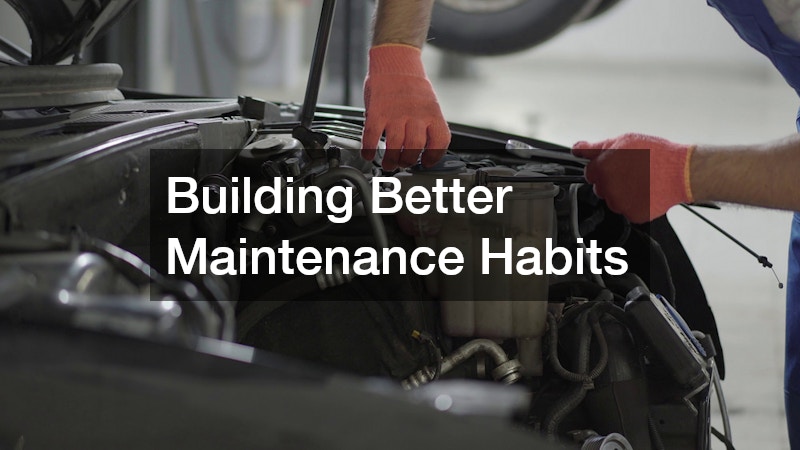
Beyond repairs and upgrades, long-term vehicle health depends heavily on consistent maintenance habits. Even the most reliable car will eventually develop issues if it is not properly cared for.
One of the most important habits is sticking to a regular service schedule. Oil changes, filter replacements, tire rotations, and fluid checks all play a critical role in preventing wear and tear.
Effective maintenance habits include:
- Checking tire pressure regularly
- Monitoring fluid levels monthly
- Listening for changes in engine performance
- Keeping up with scheduled service intervals
- Addressing small issues immediately
Drivers who stay consistent with maintenance often experience fewer breakdowns and lower overall repair costs.
Preventive care is always more cost-effective than reactive repairs. A small investment in maintenance today can prevent expensive mechanical failures in the future.
Structural Repairs and Safety Considerations
Some of the most important vehicle repairs involve structural components that directly affect safety. One of the most common issues drivers face is damage to the windshield or side windows due to accidents, road debris, or environmental stress.
In these cases, auto glass installation becomes essential to restore both visibility and structural integrity. Vehicle glass is not just for viewing the road—it also plays a critical role in supporting roof strength and ensuring proper airbag deployment in modern cars.
When glass damage occurs, delaying repairs can lead to:
- Spreading cracks that reduce visibility
- Increased risk of shattering during impact
- Water leaks that damage interior components
- Compromised structural safety in collisions
Professional installation ensures that the glass is properly sealed and aligned with the vehicle frame. Modern adhesives and installation techniques also require precision, as improper fitting can lead to wind noise, leaks, or reduced safety performance.
Key factors technicians evaluate during structural glass repair:
- Type and severity of the crack or chip
- Compatibility of replacement glass with vehicle model
- Integrity of surrounding frame and seals
- Proper curing time for adhesives
Addressing structural damage promptly is essential not only for appearance but also for maintaining the safety systems built into the vehicle’s design.
Major Engine Failure and Replacement Decisions
The engine is the heart of any vehicle, and when it begins to fail, drivers are often faced with difficult decisions. Some issues can be repaired, but in severe cases, a full replacement may be the most practical solution.
An auto engine replacement involves removing the damaged engine and installing a new, rebuilt, or refurbished unit. This process is complex and requires careful planning, as it affects nearly every system in the vehicle.
Common reasons for engine replacement include:
- Severe internal wear or damage
- Overheating that caused major component failure
- Oil starvation or lubrication system breakdown
- High mileage leading to excessive degradation
Before committing to a replacement, technicians typically evaluate:
- Overall condition of the vehicle
- Cost of replacement versus vehicle value
- Availability of compatible engine units
- Expected lifespan after installation
While engine replacement can be expensive, it often extends the life of a vehicle significantly, especially when the rest of the car is in good condition.
Important considerations during the process:
- Ensuring proper calibration after installation
- Checking compatibility with electronic systems
- Replacing supporting components like belts and hoses
- Performing post-installation testing under load
When done correctly, an engine replacement can restore performance and reliability close to original factory standards, making it a viable alternative to purchasing a new vehicle.
Performance Modifications and Suspension Changes
Beyond repairs, some drivers choose to modify their vehicles for improved performance, off-road capability, or visual appeal. These modifications can significantly change how a vehicle handles and responds on different terrains.
One popular upgrade is a lift kit, which raises the vehicle’s suspension height. This modification is especially common among drivers who want better off-road capability or a more aggressive stance.
A lift kit affects multiple aspects of vehicle performance, including ground clearance, suspension geometry, and tire compatibility.
Common benefits include:
- Increased clearance for rough or uneven terrain
- Ability to install larger tires
- Improved visibility while driving
- Enhanced off-road performance capability
However, these modifications also come with trade-offs. Raising a vehicle can affect handling stability, fuel efficiency, and alignment if not installed correctly.
Key considerations before installation:
- Ensuring suspension components are properly reinforced
- Adjusting alignment and steering geometry
- Understanding changes in braking performance
- Maintaining balance between front and rear suspension height
Professional installation is strongly recommended, as improper setup can lead to uneven tire wear, reduced handling precision, or increased mechanical strain over time.
When properly executed, suspension modifications can transform a vehicle’s capabilities while still maintaining safe and controlled driving behavior.
High-Performance and Luxury Vehicle Servicing
Some vehicles require a completely different level of care due to their engineering complexity and performance standards. Luxury and high-performance brands are built with precision components that demand specialized knowledge and tools.
For example, porsche service involves highly trained technicians who understand the unique systems found in performance vehicles. These cars often include advanced electronics, tightly calibrated engines, and specialized materials that differ from standard automotive designs.
Key aspects of high-performance servicing include:
- Manufacturer-specific diagnostic systems
- Precision engine tuning and calibration
- High-performance brake and suspension maintenance
- Use of specialized fluids and components
Unlike standard vehicles, performance cars require strict adherence to service guidelines. Even small deviations in maintenance can affect handling, acceleration, and long-term reliability.
Technicians working on these vehicles must also understand:
- Aerodynamic performance factors
- High-speed stability requirements
- Advanced cooling systems
- Electronic driving assistance calibration
Proper servicing ensures that the vehicle maintains its intended performance characteristics while preserving safety and reliability. This level of care is essential for drivers who expect precision handling and consistent output from their vehicles.
Long-Term Ownership Strategy and Maintenance Planning
Beyond individual repairs and upgrades, successful vehicle ownership depends on long-term planning. Every car will experience wear over time, but how that wear is managed determines how long the vehicle remains reliable.
A structured maintenance approach includes regular inspections, timely part replacements, and awareness of performance changes over time. Drivers who plan ahead are less likely to face sudden breakdowns or expensive emergency repairs.
Effective long-term strategies include:
- Keeping detailed service records
- Following manufacturer maintenance schedules
- Addressing minor issues before they escalate
- Budgeting for future repairs and replacements
It is also important to recognize when a vehicle may no longer be cost-effective to maintain. In some cases, repeated repairs may outweigh the value of the car itself, making replacement a more practical option.
However, with proper care and attention, many vehicles can remain reliable far beyond their expected lifespan. The key is consistency, awareness, and choosing quality service when issues arise.
Advanced vehicle care involves more than just fixing problems as they appear. It requires understanding structural safety, managing major mechanical failures, evaluating performance modifications, and trusting specialized professionals when necessary.
By combining consistent preventive habits with informed decision-making, drivers can significantly improve both the safety and reliability of their vehicles over time. Regular attention to small details—such as fluid levels, tire condition, brake responsiveness, and early warning signs—helps prevent minor issues from turning into costly repairs. At the same time, understanding when to seek professional help and choosing qualified technicians ensures that problems are diagnosed correctly and resolved efficiently the first time.
Whether dealing with everyday maintenance tasks like oil changes and inspections or facing more complex mechanical challenges involving major systems, preparation plays a critical role in reducing stress and avoiding unnecessary downtime. A well-informed driver is better equipped to ask the right questions, compare service options, and make decisions that align with both safety and long-term value.