
Owning a vehicle is a significant investment that requires more than just a passing interest in its operation to ensure longevity and safety. Many drivers feel a sense of intimidation when looking under the hood, yet the fundamentals of automotive care remain accessible to those willing to learn. Moving beyond the role of a passive operator and becoming an active participant in your car’s maintenance can transform your relationship with your vehicle. This shift in perspective not only leads to substantial financial savings over time but also provides a sense of empowerment and security. By mastering a few basic skills, you can ensure that your car remains reliable for years to come, allowing you to drive with the confidence that you understand the machine that carries you through your daily life.
Essential Maintenance Tasks for the Modern Driver
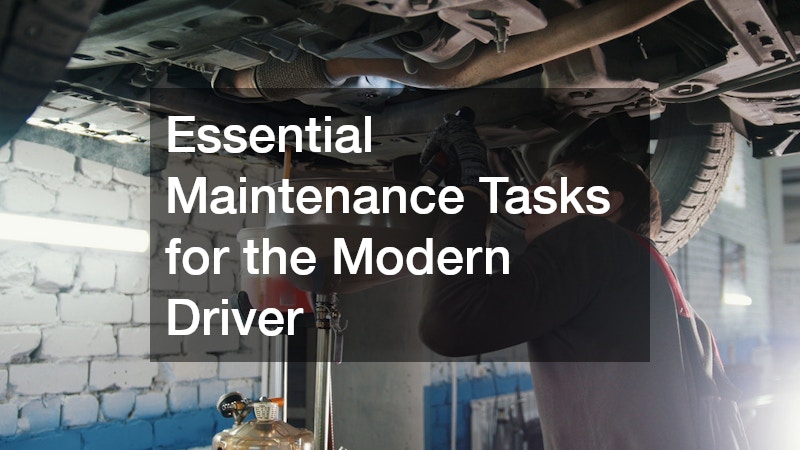
Maintaining a vehicle requires a blend of patience and curiosity that helps you stay ahead of potential mechanical issues. Many owners find that they can handle fundamental service intervals without professional assistance by following the guidelines laid out in their owner’s manual. Taking the time to learn the basics of how your car functions allows you to identify minor issues before they become catastrophic failures. When you understand the baseline of your vehicle’s performance, you are less likely to need a local auto repair professional for every minor diagnostic check or fluid top-off. This level of self-sufficiency not only preserves your finances but also ensures that you are never stranded due to a simple oversight that could have been handled in your own garage.
Specific tasks such as replacing the engine oil and the oil filter are the cornerstones of automotive maintenance. Most vehicles allow for easy access to the drain plug and filter, making it a straightforward process that takes less than an hour with standard tools. Additionally, changing the engine air filter and the cabin air filter is often a tool-free job in many modern cars, yet these components are vital for engine efficiency and passenger comfort. By regularly checking and replacing these items, along with monitoring tire pressure and fluid levels, you can extend the life of your vehicle significantly while gaining the hands-on experience necessary to tackle more complex repairs in the future.
Upgrading Your Sound System Without a Professional
The interior of a car is a personal space where many people spend hours each week, making the quality of the onboard entertainment system a high priority. Factory-installed audio setups are often designed for the average listener and may lack the depth and clarity desired by true audiophiles. Undertaking a car stereo installation yourself allows for a level of customization that stock units simply cannot provide. By choosing your own head unit and speakers, you can integrate modern technology like Bluetooth, smartphone mirroring, and high-resolution displays into an older vehicle. This project serves as an excellent introduction to automotive electronics and provides immediate, audible results that enhance every mile of your journey.
To begin this process, you will typically need a vehicle-specific dash kit and a wiring harness adapter to ensure a clean fit and easy electrical connection. Modern kits are designed to match the texture and color of your original dashboard, preserving the aesthetic appeal of the interior. The technical work involves identifying the correct wires for power, ground, and speaker output, which is simplified by the standardized color codes used in the industry. Beyond the head unit, upgrading the factory speakers involves removing the door panels and mounting new drivers that offer better frequency response and power handling. With careful attention to detail and proper insulation, you can create a high-fidelity listening environment that rivals the sound quality found in luxury vehicles.
Identifying Major Issues That Require an Expert
Understanding the limits of your mechanical expertise is a vital part of responsible car ownership, as it prevents small problems from escalating into dangerous situations. While modern vehicles are designed to be more reliable than their predecessors, they are also significantly more complex, featuring integrated electronic systems and high-precision mechanical tolerances. A DIY enthusiast must be able to differentiate between a simple bolt-on repair and a system that requires heavy specialized equipment or proprietary software to recalibrate. Overstepping your current skill level can lead to a car that is no longer safe to drive, emphasizing the importance of knowing when to set down the tools and seek a professional perspective.
Mechanical issues that involve the internal components of the engine or the drivetrain often signal the end of a DIY project for most enthusiasts. For example, if you find yourself struggling with a broken transmission that refuses to engage gears or produces a loud grinding noise, the complexity of the repair typically exceeds the capabilities of a standard home garage. Replacing or rebuilding a gearbox requires heavy-duty lifting equipment and a deep understanding of hydraulic pressure and gear ratios. While it is possible to perform some external maintenance on these systems, internal failures are high-stakes repairs that usually demand the expertise and specialized diagnostic tools found in a fully equipped service center.
Fixing Minor Scratches and Dents at Home

Maintaining the visual appeal of a vehicle is a common goal for owners who want to preserve their investment and take pride in what they drive. The exterior of a car is constantly exposed to environmental hazards, from road salt and gravel to UV rays and bird droppings, all of which can damage the finish. Many minor cosmetic blemishes do not affect the performance of the car but can lead to rust and further deterioration if left unaddressed for too long. Developing the skills to handle small surface repairs at home allows you to keep your vehicle looking its best while avoiding the high costs associated with professional restoration services for minor wear and tear.
When it comes to addressing small dings or paint chips, performing your own auto body repairs can be a rewarding way to spend a Saturday afternoon. The process typically involves cleaning the affected area thoroughly, using a fine-grit sandpaper to smooth out imperfections, and applying a primer followed by a matching color coat. Modern touch-up kits have made it much easier for the average person to achieve a decent result on small surface scratches or plastic bumper scuffs. While significant structural damage or large-scale repainting should still be left to the experts, mastering these smaller techniques gives you the tools to handle the inevitable minor mishaps that come with daily driving.
Knowing When to Call a Specialist for Chips
The integrity of your windshield is a fundamental component of your vehicle’s overall safety structure, providing both visibility and support during an accident. Even a tiny chip can compromise the strength of the glass, and because of the constant stress and temperature changes a car experiences, these small marks often grow into large cracks. Addressing glass damage as soon as it appears is the most effective way to avoid the expense of a total windshield replacement. Understanding the difference between a superficial scratch and a deep structural chip allows you to make informed decisions about how to proceed with a repair before the damage becomes a safety hazard.
For small chips that are roughly the size of a coin, a home repair kit using a specialized resin can often stabilize the damage and make it nearly invisible. These kits work by forcing resin into the break to fill the air pockets, which is then cured with sunlight or a UV lamp to create a strong bond. However, if the crack is longer than a few inches or if it is located near the edge of the glass where the most stress is concentrated, it is usually time to contact an auto glass repair company for a more permanent solution. Professionals have the specialized tools to vacuum out moisture and debris from deep cracks, ensuring a much higher success rate than most consumer-grade products can offer.
Addressing Windshield Damage Before It Spreads
Maintaining a clear view of the road is paramount for any driver, yet road debris frequently causes minor glass damage. Small chips often seem insignificant, but the constant vibrations of driving and temperature fluctuations cause these marks to expand rapidly. Taking immediate action is the only way to prevent a small imperfection from becoming a spiderweb of damage that necessitates a full replacement.
A simple crack repair kit can often resolve minor issues if they are caught before dirt and moisture penetrate the glass layers. These kits usually include a bridge or suction device to inject a high-strength resin directly into the damaged area. Once the resin is cured under a UV light source, the structural integrity of the glass is largely restored, making the flaw almost invisible to the naked eye.
Understanding Complex Components of the Drivetrain
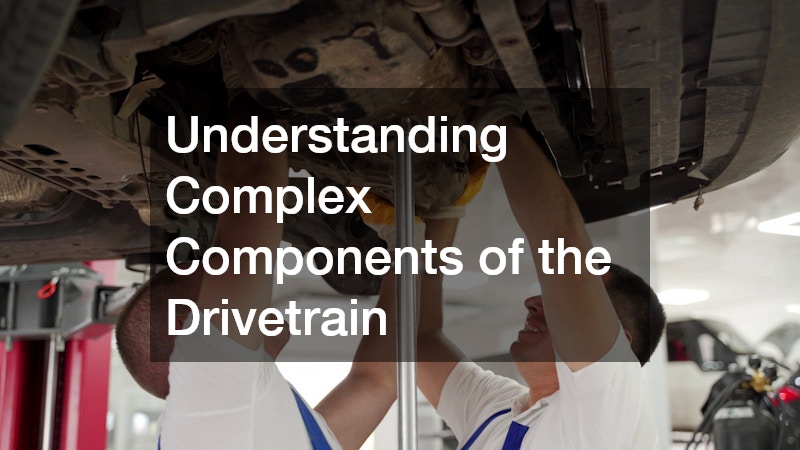
The system responsible for moving power from the engine to the wheels is one of the most intricate parts of any modern vehicle. While many aspects of the drivetrain are sealed and meant to last for years, they still require periodic checks to ensure everything is functioning within normal parameters. Learning how these parts interact can help you identify early warning signs of wear that might otherwise go unnoticed.
Routine maintenance for transmissions often includes checking the fluid level and color to ensure the system remains properly lubricated and cooled. If the fluid appears dark or smells burnt, it may be time to drop the pan and replace the filter, a task that is messy but manageable for a motivated DIYer. Consistently replacing the fluid according to the manufacturer’s schedule is the single best way to avoid the astronomical costs associated with a complete mechanical failure.
Mastering the Art of Interior and Exterior Cleaning
Preserving the showroom shine of a vehicle involves much more than a quick trip through an automated wash. Environmental contaminants like sap, bird droppings, and industrial fallout can eat through the clear coat if they are not removed properly. Developing a systematic approach to cleaning ensures that every surface is protected, which significantly bolsters the long-term resale value of the car.
Engaging in thorough car detailing at home requires a few specialized supplies like microfiber towels, pH-neutral soaps, and high-quality waxes. You should start by washing the exterior using the two-bucket method to prevent scratching the paint with trapped grit. For the interior, a deep vacuuming followed by the application of a UV-protectant conditioner on the dashboard and seats will keep the materials from cracking or fading over time.
Selecting the Right Facility for Heavy Structural Damage
Major accidents often result in damage that goes far beyond what a home mechanic can safely manage, as the structural integrity of the vehicle frame is compromised. Modern cars are engineered with specific crumple zones designed to absorb impact energy, and once these areas are deformed, they must be restored using precision equipment. Attempting to pull a frame or weld structural pillars without the proper hydraulic alignment tools can lead to a vehicle that is no longer safe for the road. Professional technicians use laser measurement systems to ensure the chassis is returned to its original factory specifications, a level of accuracy that is impossible to achieve in a residential garage.
When the damage involves significant sheet metal replacement or frame straightening, it is time to research reputable car body shops that specialize in collision repair. These facilities have the heavy-duty pulling posts and specialized welding equipment required to join high-strength steel components without weakening the metal. Additionally, professional paint booths provide a dust-free environment for applying base coats and clear coats, ensuring a factory-quality finish that is durable and perfectly matched to the rest of the car. Entrusting these large-scale repairs to certified experts ensures that your vehicle remains crashworthy and retains its structural value.
Exploring Modifications for Enhanced Accessibility

One of the most significant modifications for drivers with limited lower-body mobility is the installation of a hand control for car operation, which allows for braking and acceleration using a lever system. These devices are typically mounted to the steering column or the floor and require precise calibration to ensure the inputs are smooth and responsive. Because these controls directly manage the speed and stopping power of the vehicle, it is essential that they are installed securely and tested thoroughly before being used in traffic. Proper adjustment ensures that the driver has full command of the vehicle’s dynamics, providing a safe and reliable way to navigate the roads.
Embarking on the journey of DIY automotive repair is a path toward greater self-reliance and financial freedom that pays dividends for as long as you own a vehicle. By starting with simple maintenance tasks and gradually building a toolkit and a knowledge base, you can take control of your car’s health and avoid the stress of unexpected mechanical failures. While it is crucial to recognize the boundary where a project exceeds your current skills or safety equipment, the vast majority of routine care is well within the reach of an attentive owner. This proactive involvement not only keeps your car running efficiently but also instills a sense of pride in maintaining one of your most important assets. As you become more comfortable under the hood, you will find that the mystery of automotive engineering fades, replaced by the satisfying reality of a job well done and a vehicle that is ready for any journey.