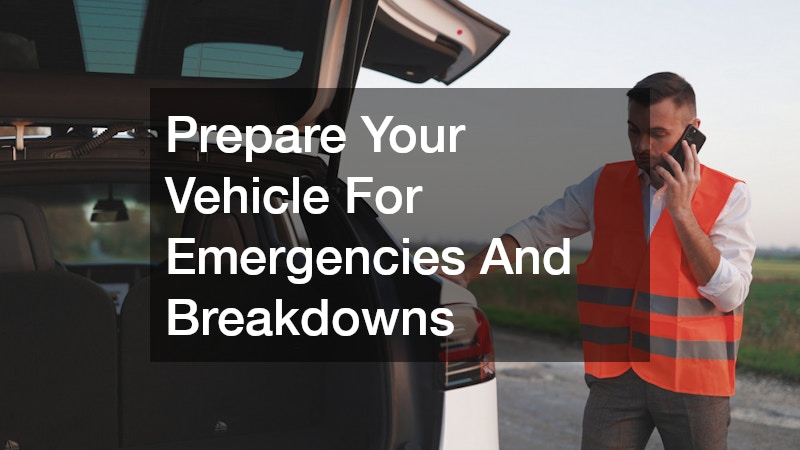
Vehicle emergencies rarely happen at convenient times. They show up during bad weather, late at night, on unfamiliar roads, or when you’re already running behind. Flat tires, dead batteries, overheating engines, and unexpected collisions are common, but most drivers are underprepared when they happen.
Preparing your vehicle for emergencies and breakdowns isn’t about expecting the worst—it’s about reducing stress, improving safety, and protecting your finances. With the right planning, tools, and habits, a roadside emergency becomes a manageable inconvenience instead of a dangerous or expensive crisis. This guide walks through practical, real-world steps drivers can take to stay ready in almost any situation.
Build an Emergency Plan Before Something Goes Wrong

Preparation starts long before your car stops moving. An emergency plan ensures you’re not scrambling for information or making rushed decisions when emotions and adrenaline are high. When a breakdown or collision occurs, even simple tasks—like finding a phone number or remembering policy details—can feel overwhelming. A clear plan removes guesswork and gives you a calm, logical path forward when your focus should be on safety.
Document critical information in advance
Keeping essential information accessible is one of the most overlooked parts of emergency readiness. In the moment, relying on memory or searching through emails wastes valuable time. Instead, organize key documents so they are immediately available no matter where you are or whether your phone battery is low.
Keep both physical and digital copies of:
- Vehicle registration and insurance details
- Emergency contacts
- Roadside assistance membership information
- Preferred repair facilities
For physical copies, use a waterproof folder stored in your glove compartment or center console. Moisture, spilled drinks, and temperature changes can easily damage loose papers. For digital access, save photos or PDFs to your phone and, if possible, back them up to cloud storage so they’re available even if your device is lost or damaged.
It’s also helpful to label contacts clearly—such as “Roadside Assistance” or “Insurance Claims”—so you’re not scrolling through a long list under pressure. This small step can shave minutes off response time when every minute matters.
Know your legal and safety options
Not all roadside incidents are equal. While many involve simple mechanical failures, others can escalate quickly due to traffic conditions, injuries, or multiple vehicles. In serious situations—especially those involving commercial vehicles or extensive damage—understanding your rights is critical.
In certain cases, consulting a truck accident lawyer can help clarify liability, protect your interests, and guide next steps if injuries, disputed fault, or complex insurance claims are involved. Having a basic understanding of when legal guidance may be appropriate prevents you from making statements or decisions that could complicate matters later.
From a safety perspective, know when to remain in your vehicle versus when it’s safer to exit. High-speed roads, poor visibility, or unstable terrain all change the safest course of action. Preparation includes educating yourself on these scenarios before you’re forced to decide in real time.
Plan for safe vehicle removal
Breakdowns don’t always happen near safe pull-offs, parking lots, or wide shoulders. Stopping in an unsafe location increases the risk of secondary accidents and personal injury. Knowing when and how to arrange towing ahead of time helps you act decisively instead of hesitating.
Research local providers in advance and confirm:
- Coverage limits and distance restrictions
- Response times in rural versus urban areas
- Whether specialty vehicles or flatbeds are required
If you rely on roadside assistance through insurance or a membership program, understand the dispatch process. Some services require approval before a tow is sent, while others allow you to contact providers directly. When you already know the process, you can focus on staying visible, alert, and out of harm’s way.
Create a personal roadside checklist
An emergency plan should answer practical questions clearly and simply, without requiring extra thought in the moment:
- Who do I call first?
- Where do I safely move the vehicle?
- What supplies do I already have on hand?
- How do I stay visible and protected while waiting?
Write this checklist down and keep it with your emergency documents. Include details such as using hazard lights immediately, placing warning triangles if available, and staying aware of surrounding traffic. The goal isn’t to memorize procedures—it’s to remove uncertainty.
When the plan is already decided, you avoid costly or unsafe snap decisions. Instead of reacting emotionally, you follow a sequence you’ve already thought through, keeping yourself and others safer until help arrives.
Prevent Breakdowns With Proactive Maintenance Habits
Many emergencies aren’t truly unpredictable—they’re delayed maintenance issues that finally reach a breaking point. Consistent upkeep dramatically reduces the odds of being stranded. Vehicles often give subtle warnings long before a failure occurs, but those signs are easy to dismiss during busy routines. Making maintenance a habit instead of a reaction allows you to catch problems while they’re still inexpensive and easy to fix.
Make visual inspections routine
A quick walk-around inspection takes only a few minutes but can reveal issues that would otherwise go unnoticed. Regular truck washing (even for non-trucks) plays a key role in this process because dirt, road salt, and grime hide early warning signs. Once the vehicle is clean, problems become much more visible.
During and after washing, look closely for:
- Fluid leaks pooling beneath the vehicle or clinging to underbody components
- Rust forming along seams, wheel wells, or the undercarriage
- Cracked hoses, frayed belts, or loose components in the engine bay
These issues often start small. A slow leak or surface rust may not affect drivability today, but over time it can lead to overheating, brake failure, or structural damage. Clean vehicles make problems easier to see, especially after winter driving, heavy rain, or long highway trips where stress on components increases.
Prioritize tire health
Tires are one of the most common failure points because they’re constantly exposed to friction, heat, and road hazards. Even minor neglect can turn into a blowout or loss of control. Building a relationship with a reliable local tire dealer gives you access to professional insight before issues become dangerous.
A knowledgeable dealer can help you:
- Monitor tread depth and recognize uneven wear patterns
- Adjust tire pressure for seasonal temperature changes
- Identify alignment or suspension issues early
Tire problems rarely happen without warning. Uneven wear may signal alignment issues, while frequent pressure loss could indicate slow leaks or damaged valves. A quick inspection before long drives—checking pressure, tread, and visible damage—can prevent blowouts, poor handling, and sudden emergency stops that put you and other drivers at risk.
Address warning signs early
Modern vehicles are designed to alert drivers when something isn’t right, but warnings only help if they’re taken seriously. Ignoring early symptoms often leads to breakdowns that could have been avoided with timely attention.
Never ignore:
- Dashboard warning lights
- Unusual vibrations or noises
- Pulling to one side while driving
- Sluggish braking or acceleration
These signs often point to developing problems such as brake wear, steering issues, engine trouble, or transmission stress. While the vehicle may still feel “drivable,” continuing to operate it can cause cascading failures that leave you stranded in unsafe locations.
Small issues tend to grow into major failures at the worst possible moment. Addressing them early not only reduces repair costs but also keeps your vehicle dependable when you need it most.
Prepare for Repairs, Replacements, and Vehicle End-of-Life Scenarios
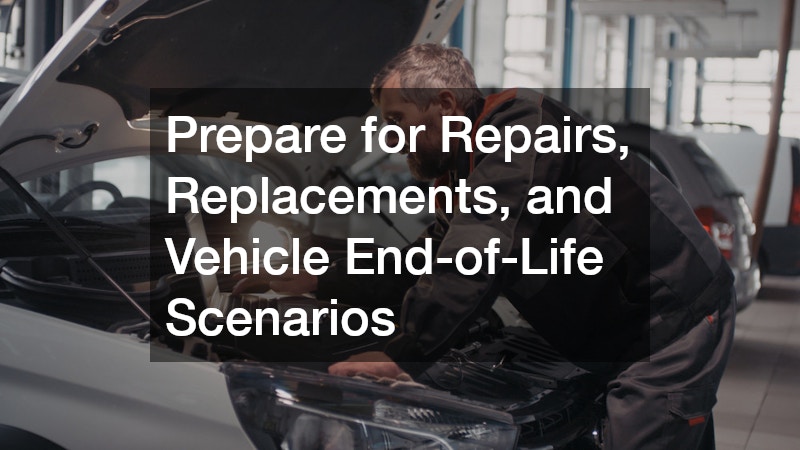
Not every breakdown ends with a simple repair. Knowing how to handle major damage helps you act decisively instead of emotionally.
Understand when repairs stop making sense
If repair costs approach or exceed vehicle value, it may be time to consider alternatives. Scrap yards can be a practical option for vehicles that are unsafe or uneconomical to restore, allowing owners to recover some value without prolonged storage or repeated repair attempts.
Know when structural work is required
After collisions or severe wear, some vehicles need specialized metal fabrication to restore frame integrity or safety components. These repairs go beyond cosmetic fixes and should be handled by experienced professionals who understand structural tolerances.
Prepare for the transition
Before major repairs or scrapping:
- Remove personal belongings
- Gather maintenance records
- Take photos for insurance or resale documentation
- Cancel or transfer registrations and services
Being prepared speeds up decisions and prevents administrative headaches during already stressful situations.
Emergency Planning for RV Owners and Renters
Recreational vehicles add comfort to travel—but they also add complexity during emergencies. Their size, weight, and onboard systems mean that a breakdown or safety issue can escalate more quickly than it would with a standard passenger vehicle. Preparing specifically for RV-related risks helps reduce delays, safety hazards, and costly mistakes when something goes wrong.
Account for size and weight challenges
Larger vehicles take longer to stop, require wider clearances, and can’t always pull over safely on narrow shoulders or busy highways. These limitations make preventive maintenance especially important, since even minor failures can be difficult to manage once the vehicle is immobilized.
Routine inspections from a trusted rv service provider help reduce the risk of mechanical failures that are harder to manage roadside. These inspections should go beyond basic engine checks and include:
- Brake systems designed to handle heavier loads
- Suspension and steering components under constant stress
- Tire condition and load ratings appropriate for the vehicle’s weight
Because RVs are often driven less frequently but for longer distances, problems can develop quietly over time. Regular inspections ensure that infrequent use doesn’t lead to overlooked deterioration that surfaces during a trip.
Understand responsibilities when renting
When traveling with rv rentals, emergency response isn’t always as straightforward as calling a repair shop. Coverage, authorization, and procedures vary by company, and assumptions can lead to delays or out-of-pocket expenses.
Know in advance:
- What the rental company covers and what falls to the renter
- Who authorizes repairs and whether approval is required before work begins
- Where to report breakdowns and how after-hours issues are handled
- Whether replacement vehicles or lodging assistance are available
Having this information before departure prevents confusion when time matters most. It also helps you make informed decisions at the roadside instead of guessing under pressure or risking contract violations.
Customize your emergency kit
RV emergency kits should reflect longer travel durations and greater self-reliance. Unlike standard vehicles, RVs may be parked far from services or in areas with limited cell coverage, making preparedness essential.
RV kits should include:
- Extra water and non-perishable food to sustain occupants during extended delays
- Backup power or lighting for both interior safety and exterior visibility
- Leveling blocks and wheel chocks to stabilize the vehicle during roadside stops
- Emergency signaling tools to alert other drivers in low-visibility conditions
Preparation is especially important when traveling through rural or unfamiliar areas, where response times may be longer and resources limited. A well-equipped RV allows you to stay safe, visible, and comfortable until help arrives.
Preparing Modern Vehicles for Power and Durability Issues
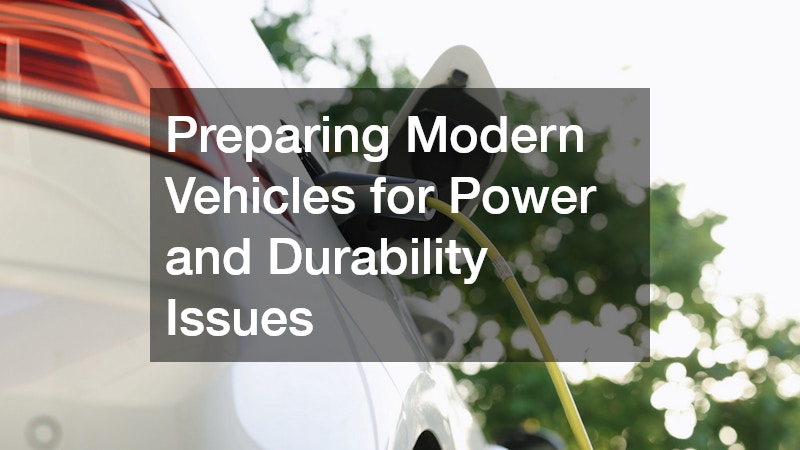
As vehicles evolve, so do emergency considerations. Modern drivetrains and materials bring new advantages—and new preparation needs. While newer vehicles offer improved efficiency, diagnostics, and safety features, they also introduce dependencies that drivers must understand to avoid being caught off guard during a breakdown or power-related issue.
Plan for power interruptions
Electric vehicles require more intentional planning than traditional fuel-powered cars, particularly when it comes to range and infrastructure. Effective preparation starts with understanding ev charging availability along your regular routes and any longer trips you may take.
Drivers should:
- Identify backup charging locations in case a primary option is unavailable or out of service
- Maintain adequate charge buffers rather than driving to the lowest possible percentage
- Carry charging adapters when applicable to expand compatibility with different stations
Emergency readiness also includes recognizing how external factors affect range. Cold temperatures can reduce battery efficiency, steep terrain increases energy consumption, and aggressive driving shortens usable distance. Knowing these variables ahead of time allows drivers to adjust habits and routes before a power interruption becomes an emergency.
Protect exposed components
Modern vehicles often use lightweight metals and complex assemblies that improve performance but can be vulnerable to environmental damage over time. Long-term durability matters during breakdowns, especially in harsh climates where moisture, salt, and road debris accelerate wear.
A powder coating service can help protect metal components from corrosion, debris damage, and moisture intrusion. This type of coating creates a durable barrier that resists chipping and rust far better than traditional paint, making it particularly valuable for underbody parts, brackets, and exposed structural elements.
By reinforcing these components, drivers reduce the likelihood that environmental damage will turn a minor issue into a failure that leaves the vehicle immobilized when conditions are already challenging.
Blend technology with fundamentals
Advanced vehicles are equipped with sensors, alerts, and automated systems, but no technology eliminates the need for basic preparedness. When systems malfunction or power is limited, fundamentals become critical.
Even advanced vehicles benefit from:
- Physical emergency tools that don’t rely on batteries or connectivity
- Manual overrides and instructions stored offline or in print
- Knowledge of basic troubleshooting to identify whether an issue is safe to address temporarily
Understanding how to operate your vehicle without full system support—such as accessing manual releases or interpreting warning messages—adds resilience when technology falls short. Technology is helpful, but preparedness is still personal and depends on the driver’s awareness and readiness to act.
Final Thoughts on Staying Ready
Vehicle emergencies don’t have to derail your plans or compromise your safety. With thoughtful preparation, routine maintenance, and clear decision-making frameworks, drivers can face breakdowns with confidence instead of panic.
Readiness isn’t a one-time task. Revisit your emergency plan, refresh your supplies, and reassess your vehicle’s condition regularly. When the unexpected happens—and it eventually will—you’ll be ready to handle it calmly, safely, and efficiently.
Vehicle emergencies rarely happen at convenient times. They show up during bad weather, late at night, on unfamiliar roads, or when you’re already running behind. Flat tires, dead batteries, overheating engines, and unexpected collisions are common, but most drivers are underprepared when they happen.
Preparing your vehicle for emergencies and breakdowns isn’t about expecting the worst—it’s about reducing stress, improving safety, and protecting your finances. With the right planning, tools, and habits, a roadside emergency becomes a manageable inconvenience instead of a dangerous or expensive crisis. This guide walks through practical, real-world steps drivers can take to stay ready in almost any situation.
Build an Emergency Plan Before Something Goes Wrong
Preparation starts long before your car stops moving. An emergency plan ensures you’re not scrambling for information or making rushed decisions when emotions and adrenaline are high. When a breakdown or collision occurs, even simple tasks—like finding a phone number or remembering policy details—can feel overwhelming. A clear plan removes guesswork and gives you a calm, logical path forward when your focus should be on safety.
Document critical information in advance
Keeping essential information accessible is one of the most overlooked parts of emergency readiness. In the moment, relying on memory or searching through emails wastes valuable time. Instead, organize key documents so they are immediately available no matter where you are or whether your phone battery is low.
Keep both physical and digital copies of:
- Vehicle registration and insurance details
- Emergency contacts
- Roadside assistance membership information
- Preferred repair facilities
For physical copies, use a waterproof folder stored in your glove compartment or center console. Moisture, spilled drinks, and temperature changes can easily damage loose papers. For digital access, save photos or PDFs to your phone and, if possible, back them up to cloud storage so they’re available even if your device is lost or damaged.
It’s also helpful to label contacts clearly—such as “Roadside Assistance” or “Insurance Claims”—so you’re not scrolling through a long list under pressure. This small step can shave minutes off response time when every minute matters.
Know your legal and safety options
Not all roadside incidents are equal. While many involve simple mechanical failures, others can escalate quickly due to traffic conditions, injuries, or multiple vehicles. In serious situations—especially those involving commercial vehicles or extensive damage—understanding your rights is critical.
In certain cases, consulting a truck accident lawyer can help clarify liability, protect your interests, and guide next steps if injuries, disputed fault, or complex insurance claims are involved. Having a basic understanding of when legal guidance may be appropriate prevents you from making statements or decisions that could complicate matters later.
From a safety perspective, know when to remain in your vehicle versus when it’s safer to exit. High-speed roads, poor visibility, or unstable terrain all change the safest course of action. Preparation includes educating yourself on these scenarios before you’re forced to decide in real time.
Plan for safe vehicle removal
Breakdowns don’t always happen near safe pull-offs, parking lots, or wide shoulders. Stopping in an unsafe location increases the risk of secondary accidents and personal injury. Knowing when and how to arrange towing ahead of time helps you act decisively instead of hesitating.
Research local providers in advance and confirm:
- Coverage limits and distance restrictions
- Response times in rural versus urban areas
- Whether specialty vehicles or flatbeds are required
If you rely on roadside assistance through insurance or a membership program, understand the dispatch process. Some services require approval before a tow is sent, while others allow you to contact providers directly. When you already know the process, you can focus on staying visible, alert, and out of harm’s way.
Create a personal roadside checklist
An emergency plan should answer practical questions clearly and simply, without requiring extra thought in the moment:
- Who do I call first?
- Where do I safely move the vehicle?
- What supplies do I already have on hand?
- How do I stay visible and protected while waiting?
Write this checklist down and keep it with your emergency documents. Include details such as using hazard lights immediately, placing warning triangles if available, and staying aware of surrounding traffic. The goal isn’t to memorize procedures—it’s to remove uncertainty.
When the plan is already decided, you avoid costly or unsafe snap decisions. Instead of reacting emotionally, you follow a sequence you’ve already thought through, keeping yourself and others safer until help arrives.
Prevent Breakdowns With Proactive Maintenance Habits
Many emergencies aren’t truly unpredictable—they’re delayed maintenance issues that finally reach a breaking point. Consistent upkeep dramatically reduces the odds of being stranded. Vehicles often give subtle warnings long before a failure occurs, but those signs are easy to dismiss during busy routines. Making maintenance a habit instead of a reaction allows you to catch problems while they’re still inexpensive and easy to fix.
Make visual inspections routine
A quick walk-around inspection takes only a few minutes but can reveal issues that would otherwise go unnoticed. Regular truck washing (even for non-trucks) plays a key role in this process because dirt, road salt, and grime hide early warning signs. Once the vehicle is clean, problems become much more visible.
During and after washing, look closely for:
- Fluid leaks pooling beneath the vehicle or clinging to underbody components
- Rust forming along seams, wheel wells, or the undercarriage
- Cracked hoses, frayed belts, or loose components in the engine bay
These issues often start small. A slow leak or surface rust may not affect drivability today, but over time it can lead to overheating, brake failure, or structural damage. Clean vehicles make problems easier to see, especially after winter driving, heavy rain, or long highway trips where stress on components increases.
Prioritize tire health
Tires are one of the most common failure points because they’re constantly exposed to friction, heat, and road hazards. Even minor neglect can turn into a blowout or loss of control. Building a relationship with a reliable local tire dealer gives you access to professional insight before issues become dangerous.
A knowledgeable dealer can help you:
- Monitor tread depth and recognize uneven wear patterns
- Adjust tire pressure for seasonal temperature changes
- Identify alignment or suspension issues early
Tire problems rarely happen without warning. Uneven wear may signal alignment issues, while frequent pressure loss could indicate slow leaks or damaged valves. A quick inspection before long drives—checking pressure, tread, and visible damage—can prevent blowouts, poor handling, and sudden emergency stops that put you and other drivers at risk.
Address warning signs early
Modern vehicles are designed to alert drivers when something isn’t right, but warnings only help if they’re taken seriously. Ignoring early symptoms often leads to breakdowns that could have been avoided with timely attention.
Never ignore:
- Dashboard warning lights
- Unusual vibrations or noises
- Pulling to one side while driving
- Sluggish braking or acceleration
These signs often point to developing problems such as brake wear, steering issues, engine trouble, or transmission stress. While the vehicle may still feel “drivable,” continuing to operate it can cause cascading failures that leave you stranded in unsafe locations.
Small issues tend to grow into major failures at the worst possible moment. Addressing them early not only reduces repair costs but also keeps your vehicle dependable when you need it most.
Prepare for Repairs, Replacements, and Vehicle End-of-Life Scenarios
Not every breakdown ends with a simple repair. Knowing how to handle major damage helps you act decisively instead of emotionally.
Understand when repairs stop making sense
If repair costs approach or exceed vehicle value, it may be time to consider alternatives. Scrap yards can be a practical option for vehicles that are unsafe or uneconomical to restore, allowing owners to recover some value without prolonged storage or repeated repair attempts.
Know when structural work is required
After collisions or severe wear, some vehicles need specialized metal fabrication to restore frame integrity or safety components. These repairs go beyond cosmetic fixes and should be handled by experienced professionals who understand structural tolerances.
Prepare for the transition
Before major repairs or scrapping:
- Remove personal belongings
- Gather maintenance records
- Take photos for insurance or resale documentation
- Cancel or transfer registrations and services
Being prepared speeds up decisions and prevents administrative headaches during already stressful situations.
Emergency Planning for RV Owners and Renters
Recreational vehicles add comfort to travel—but they also add complexity during emergencies. Their size, weight, and onboard systems mean that a breakdown or safety issue can escalate more quickly than it would with a standard passenger vehicle. Preparing specifically for RV-related risks helps reduce delays, safety hazards, and costly mistakes when something goes wrong.
Account for size and weight challenges
Larger vehicles take longer to stop, require wider clearances, and can’t always pull over safely on narrow shoulders or busy highways. These limitations make preventive maintenance especially important, since even minor failures can be difficult to manage once the vehicle is immobilized.
Routine inspections from a trusted rv service provider help reduce the risk of mechanical failures that are harder to manage roadside. These inspections should go beyond basic engine checks and include:
- Brake systems designed to handle heavier loads
- Suspension and steering components under constant stress
- Tire condition and load ratings appropriate for the vehicle’s weight
Because RVs are often driven less frequently but for longer distances, problems can develop quietly over time. Regular inspections ensure that infrequent use doesn’t lead to overlooked deterioration that surfaces during a trip.
Understand responsibilities when renting
When traveling with rv rentals, emergency response isn’t always as straightforward as calling a repair shop. Coverage, authorization, and procedures vary by company, and assumptions can lead to delays or out-of-pocket expenses.
Know in advance:
- What the rental company covers and what falls to the renter
- Who authorizes repairs and whether approval is required before work begins
- Where to report breakdowns and how after-hours issues are handled
- Whether replacement vehicles or lodging assistance are available
Having this information before departure prevents confusion when time matters most. It also helps you make informed decisions at the roadside instead of guessing under pressure or risking contract violations.
Customize your emergency kit
RV emergency kits should reflect longer travel durations and greater self-reliance. Unlike standard vehicles, RVs may be parked far from services or in areas with limited cell coverage, making preparedness essential.
RV kits should include:
- Extra water and non-perishable food to sustain occupants during extended delays
- Backup power or lighting for both interior safety and exterior visibility
- Leveling blocks and wheel chocks to stabilize the vehicle during roadside stops
- Emergency signaling tools to alert other drivers in low-visibility conditions
Preparation is especially important when traveling through rural or unfamiliar areas, where response times may be longer and resources limited. A well-equipped RV allows you to stay safe, visible, and comfortable until help arrives.
Preparing Modern Vehicles for Power and Durability Issues
As vehicles evolve, so do emergency considerations. Modern drivetrains and materials bring new advantages—and new preparation needs. While newer vehicles offer improved efficiency, diagnostics, and safety features, they also introduce dependencies that drivers must understand to avoid being caught off guard during a breakdown or power-related issue.
Plan for power interruptions
Electric vehicles require more intentional planning than traditional fuel-powered cars, particularly when it comes to range and infrastructure. Effective preparation starts with understanding ev charging availability along your regular routes and any longer trips you may take.
Drivers should:
- Identify backup charging locations in case a primary option is unavailable or out of service
- Maintain adequate charge buffers rather than driving to the lowest possible percentage
- Carry charging adapters when applicable to expand compatibility with different stations
Emergency readiness also includes recognizing how external factors affect range. Cold temperatures can reduce battery efficiency, steep terrain increases energy consumption, and aggressive driving shortens usable distance. Knowing these variables ahead of time allows drivers to adjust habits and routes before a power interruption becomes an emergency.
Protect exposed components
Modern vehicles often use lightweight metals and complex assemblies that improve performance but can be vulnerable to environmental damage over time. Long-term durability matters during breakdowns, especially in harsh climates where moisture, salt, and road debris accelerate wear.
A powder coating service can help protect metal components from corrosion, debris damage, and moisture intrusion. This type of coating creates a durable barrier that resists chipping and rust far better than traditional paint, making it particularly valuable for underbody parts, brackets, and exposed structural elements.
By reinforcing these components, drivers reduce the likelihood that environmental damage will turn a minor issue into a failure that leaves the vehicle immobilized when conditions are already challenging.
Blend technology with fundamentals
Advanced vehicles are equipped with sensors, alerts, and automated systems, but no technology eliminates the need for basic preparedness. When systems malfunction or power is limited, fundamentals become critical.
Even advanced vehicles benefit from:
- Physical emergency tools that don’t rely on batteries or connectivity
- Manual overrides and instructions stored offline or in print
- Knowledge of basic troubleshooting to identify whether an issue is safe to address temporarily
Understanding how to operate your vehicle without full system support—such as accessing manual releases or interpreting warning messages—adds resilience when technology falls short. Technology is helpful, but preparedness is still personal and depends on the driver’s awareness and readiness to act.
Final Thoughts on Staying Ready
Vehicle emergencies don’t have to derail your plans or compromise your safety. With thoughtful preparation, routine maintenance, and clear decision-making frameworks, drivers can face breakdowns with confidence instead of panic.
Readiness isn’t a one-time task. Revisit your emergency plan, refresh your supplies, and reassess your vehicle’s condition regularly. When the unexpected happens—and it eventually will—you’ll be ready to handle it calmly, safely, and efficiently.