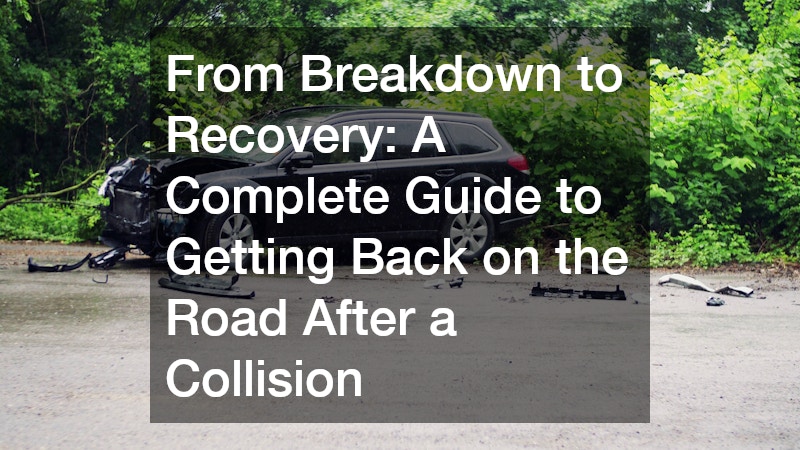
A car accident can be one of the most stressful experiences a driver faces. Beyond the initial shock and damage, you’re suddenly forced to make quick decisions about repairs, insurance, transportation, and sometimes even legal matters. It’s easy to feel overwhelmed — especially when every choice seems urgent and expensive. The confusion only grows when you’re unsure who to trust for honest repair estimates or how to communicate effectively with insurers who seem more focused on policies than people. Even simple questions, like whether your car is safe to drive or how long repairs might take, can feel impossible to answer in the moment.
But recovering from a collision isn’t just about getting your car fixed. It’s about managing the entire process efficiently, from ensuring safety and assessing damage to finding trustworthy professionals and protecting your rights. With the right information, you can navigate this challenging period with confidence, save money, and minimize downtime.
This comprehensive guide walks you through the full recovery journey — offering practical insights that help you move from the chaos of a crash to the calm of being back on the road again, with a better understanding of your vehicle, your coverage, and your peace of mind.
Assessing the Damage and Ensuring Safety
In the aftermath of an accident, safety comes first. Even a minor collision can cause hidden mechanical or structural damage that makes driving dangerous. Before worrying about repairs or insurance, take time to secure the scene and evaluate your surroundings carefully.
Start by checking for injuries and calling emergency services if anyone is hurt. Move vehicles to a safe area if possible, activate your hazard lights, and document everything with photos and notes. Capturing the accident scene in detail helps later when filing claims or explaining what happened to repair shops and insurers.
Once you’ve gathered the necessary information, contact your insurance company as soon as possible. Quick reporting can speed up claim approval and help you get authorization for towing or temporary transportation.
The decisions you make in these first few hours set the tone for the rest of your recovery. Acting methodically — even while under stress — ensures your safety and helps you avoid costly mistakes down the line.
Transporting Your Vehicle Safely
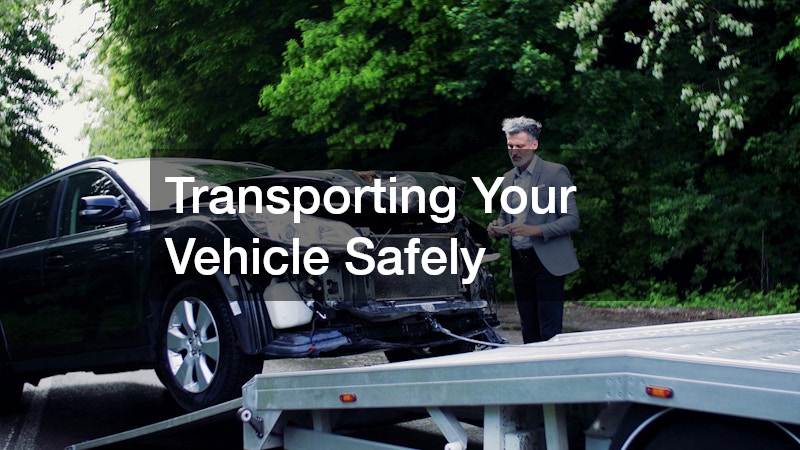
After a collision, one of the first challenges is getting your car to a repair facility without causing further damage. If your vehicle isn’t drivable, using a flatbed with local trailer parts is often the safest and most economical solution.
Good local flatbed trailer rentals can lift the entire vehicle off the ground, preventing additional stress on damaged axles, tires, or suspension components. They’re particularly useful for vehicles with bent frames or punctured tires. When choosing a rental or towing service, check for reliability, proper licensing, and customer reviews to ensure your car is handled professionally.
For those who own trailers, remember that maintenance matters. Inspect local trailer parts such as lights, tires, winches, and safety chains before use. Faulty local trailer parts could lead to more damage or safety hazards during transport.
A few quick precautions can go a long way:
- Remove personal belongings before towing.
- Secure any loose exterior parts like bumpers or mirrors.
- Communicate clearly with the tow operator about your vehicle’s condition.
By handling transport properly, you preserve your vehicle’s integrity and make the next stage — repairs — far smoother and safer.
Finding the Right Repair Professionals
Once your vehicle arrives at a shop, the choice of who repairs it will largely determine the outcome of your recovery. Not all repair centers are the same — some specialize in appearance and structural restoration, while others handle deeper mechanical issues. Taking the time to research and compare options before approving repairs can prevent hidden costs, poor workmanship, and future problems that might arise months later.
For bodywork and visible damage, a trusted auto collision repair facility is essential. These shops restore your vehicle’s frame, panels, and paint to pre-accident condition. They also use precision tools to ensure safety systems like crumple zones and airbags are fully functional after repairs. Ask whether the shop performs frame straightening in-house or outsources it — in-house equipment usually means better quality control and faster turnaround times.
If your car suffered drivetrain or shifting issues, you may need transmission repair services as well. Transmission damage can occur even in low-speed crashes, especially if the impact came from underneath or behind. Warning signs include fluid leaks, jerky gear changes, or unusual noises when shifting. Reputable shops will road-test the vehicle and perform diagnostics before recommending a rebuild or replacement.
When selecting a repair shop, keep these factors in mind:
- Certifications: Look for ASE or I-CAR credentials that signal professional training.
- Transparency: Request detailed written estimates and ask what’s included in the price.
- Warranties: Reputable shops stand behind their work with solid guarantees.
- Communication: Choose professionals who keep you updated rather than leaving you in the dark.
Don’t be afraid to ask questions or visit multiple shops before making a decision. Partnering with skilled, trustworthy experts ensures that your car not only looks good again but also drives safely and reliably for years to come.
Addressing Mechanical Concerns
Beyond surface damage, collisions can cause subtle internal issues that aren’t visible until they worsen. Skilled diesel engine mechanics or general automotive technicians play a critical role in uncovering and fixing these hidden problems.
If your vehicle is diesel-powered — common in larger trucks and commercial vehicles — specialized knowledge is vital. Diesel systems are built differently from gasoline engines and require technicians who understand high-pressure fuel injection, turbochargers, and heavy-duty cooling systems. These experts can inspect for misalignment, leaks, or internal damage that might not trigger dashboard warnings right away.
Repairing your vehicle also means sourcing quality auto parts. Choosing the right components affects both longevity and performance. Here’s how to make smart choices:
- OEM (Original Equipment Manufacturer) parts offer the best fit and reliability but can be pricier.
- Aftermarket parts provide affordability but vary in quality — research brands carefully.
- Used or refurbished parts can be excellent options if properly inspected and warranted.
Always verify part compatibility before installation and keep copies of all invoices for your records. Quality materials paired with expert workmanship make the difference between a temporary fix and a lasting repair.
Reducing Repair Costs Through Smart Sourcing
Auto repairs can quickly become expensive, especially if your vehicle needs both mechanical and cosmetic restoration. Fortunately, there are strategic ways to reduce costs without compromising quality.
Buying used components or even entire vehicles through an auction can be an effective way to source parts affordably. Many insurance companies and dealerships sell salvage or repossessed vehicles with usable components that cost far less than new replacements. Before buying, inspect reports for previous damage, verify titles, and attend a few auctions to understand the bidding process.
For owners of commercial or diesel-powered trucks, building a relationship with an Isuzu truck dealership can provide additional advantages. Dealerships not only offer genuine replacement parts but can also evaluate your vehicle’s warranty coverage, manufacturer recalls, or trade-in options. They’re especially helpful if you’re unsure whether your vehicle should be repaired or replaced.
By combining smart sourcing with professional advice, you can manage your repair budget efficiently while maintaining high standards of safety and performance.
Repairing Property and Home Damage
Accidents don’t always happen on the open road — sometimes they occur right at home. If your vehicle struck your garage door or another structure, you may find yourself dealing with both auto and property repairs simultaneously.
Coordinating these repairs efficiently requires clear communication between insurance companies and contractors. Start by contacting both your auto and homeowners insurance providers to confirm coverage responsibilities. Some policies overlap, while others have distinct limits for each type of damage.
When scheduling services, it often helps to complete auto collision repair first, especially if you need the car for daily transportation. However, if your garage door is damaged to the point of creating security or safety risks, prioritize fixing it as soon as possible.
To prevent similar mishaps in the future:
- Keep your driveway and garage area well-lit.
- Install motion sensors or smart openers that detect obstacles.
- Consider adding parking guides or cameras for tight spaces.
Treating property damage as part of the overall recovery process ensures you restore both convenience and peace of mind after an accident.
Handling Legal and Insurance Matters
Even after the dust settles, the financial and legal aftermath of a collision can linger. Understanding your rights and obligations during this stage is crucial — especially when injuries, liability disputes, or significant losses are involved. Many drivers underestimate how complicated insurance policies can be, and a small oversight in documentation or communication can delay settlements for weeks or even months.
Consulting with an accident lawyer can help you navigate complex insurance negotiations and protect your interests. Lawyers experienced in auto cases understand how to interpret policies, identify underpayment attempts, and pursue fair compensation. They can also handle communication with insurers, freeing you from the stress of back-and-forth discussions. A good attorney will walk you through every stage of the claims process — from filing initial paperwork to gathering evidence like police reports, witness statements, and medical records.
Situations that typically benefit from legal assistance include:
- Disagreements about who was at fault.
- Serious injuries or medical expenses that exceed insurance limits.
- Claims involving uninsured or underinsured drivers.
- Cases where property damage extends beyond your vehicle, such as fences or structures.
If your vehicle is declared a total loss, your insurance company will likely sell it at an auction to recover value. In this case, be sure to remove personal items, keep your license plates, and request documentation of the settlement value. It’s also wise to take photos of your vehicle’s condition before surrendering it, ensuring transparency if the valuation is challenged later. Retaining a copy of all repair estimates, receipts, and correspondence helps ensure that the payout you receive is accurate, fair, and supported by evidence.
In some cases, you may even have the option to buy back your totaled vehicle from the insurer, either for parts or restoration. Understanding these choices — and getting clear advice on what makes the most financial sense — can save you money and prevent frustration. Managing these details carefully helps you close the recovery process with confidence, clarity, and a sense of control over the outcome.
Rebuilding Confidence and Preventing Future Accidents

Once your car is back on the road, the experience of the accident often changes how you drive and maintain your vehicle. Many drivers find that recovery becomes a learning experience — one that encourages better safety habits and preventive care.
Start by committing to regular maintenance. Frequent inspections of brakes, tires, and fluids can prevent mechanical failures that often lead to accidents. If your alignment feels off or your steering seems loose after repairs, have it checked promptly to avoid further wear or handling problems.
Equally important is adopting defensive driving habits. Stay alert, maintain safe following distances, and anticipate potential hazards before they occur. Avoid distractions such as texting or adjusting controls while driving, and always give yourself extra time in poor weather conditions.
It’s also smart to prepare for unexpected situations. Keep a roadside emergency kit in your car — including tools, first-aid supplies, jumper cables, and a flashlight. If possible, join a roadside assistance program that can help with towing or battery issues.
Preventive action is your best protection against future collisions. By turning lessons learned into better habits, you make every mile ahead safer and more predictable.
Recovering from a car accident can be an overwhelming process, but it doesn’t have to be chaotic or confusing. With the right strategy, you can move through each phase — from securing the scene and finding trusted repair services to managing legal and insurance matters — with confidence and control.
A successful recovery depends on careful decision-making, reliable professionals, and a willingness to stay informed at every step. By approaching the process methodically, you protect not only your vehicle but also your safety, finances, and peace of mind.
Accidents may happen unexpectedly, but being prepared and proactive turns a difficult situation into an opportunity to rebuild stronger — both on the road and off it.