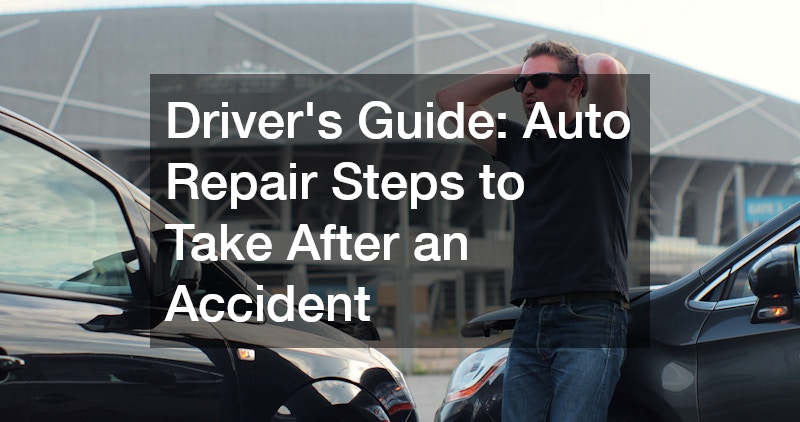
Understanding the immediate steps to take following a car accident is crucial in ensuring safety and preserving your legal rights. An auto accident can be a distressing experience, and knowing what actions to take can mitigate the stress and potential liabilities. This guide provides a comprehensive outline of necessary auto repair steps to consider in such situations, helping you navigate the aftermath with confidence.
Preparing ahead of time with knowledge of the proper procedures can result in much less chaos. By being informed about auto repair and documentation needs, you can safeguard both your well-being and financial interests. After reading this article, you will be well-versed in the essential post-accident processes, including contacting a local auto repair specialist.
Additionally, this introduction will touch upon the importance of contacting authorities, exchanging crucial information, and selecting the right auto repair services. Each step contributes to a streamlined resolution of the incident, ensuring you are back on the road with minimal hassle.
What should I do immediately after an auto accident?

Immediately following an auto accident, the safety of everyone involved should be your top priority. First and foremost, check to ensure that you and your passengers are unharmed, keeping in mind that some injuries may not be immediately apparent due to the adrenaline rush often experienced after a collision. If there are no serious injuries preventing movement, and it is safe to do so, carefully move your vehicle out of traffic to avoid causing further accidents or congestion.
After ensuring your personal safety and that of others in the vicinity, the next crucial step is to promptly contact emergency services by dialing 911. This is important even if the accident seems minor, as police can facilitate the exchange of information, provide medical assistance if needed, and assist with redirecting traffic. Moreover, in cases where the vehicles are severely damaged or non-operational, contacting a 24-hour tow truck service can provide the necessary support to clear the road and transport your vehicle to a safe location or repair facility.
Obtaining a police report that details the particulars of the incident is essential. This official documentation serves as a critical piece of evidence for insurance claims and any potential legal proceedings that may arise. Law enforcement will objectively assess the scene, collect statements from those involved, and compile them into a comprehensive report. This authoritative account of the accident holds legitimacy, which can be instrumental in protecting your interests when negotiating with insurance companies or addressing any legal disputes that might occur related to auto repair costs.
Once you have contacted the authorities and ensured that everyone is safe, it is advisable to document the scene thoroughly. Utilize your smartphone or a camera to capture clear photographs and videos of all vehicles involved in the crash. Be sure to include shots of license plates, visible damages, the positions of the cars, and any road conditions like skid marks, traffic signals, or signs that may have played a role in the accident.
How to document the accident scene?
Documenting the accident scene correctly can greatly impact your insurance claim’s success. Start by taking comprehensive photographs from multiple angles to capture the full extent of the damage. These images should clearly display both new and used auto parts affected in the collision.
Besides photos, jot down your recollection of the event as soon as possible. Aim to include details such as the weather, traffic conditions, and the behavior of the other parties involved. This written account complements the visual evidence and ensures no detail about the incident and auto repair is overlooked when communicated to your local auto repair specialist.
Lastly, gather statements from bystanders, if any, who witnessed the accident. Collect their contact information, should further clarification or support be needed when dealing with insurance companies. Witness testimonies can be pivotal in disputes about the accident’s causes or responsibility and are a crucial part of documenting with local auto part assistance.
What information should be exchanged with the other driver?
Exchange of information is a vital part of the aftermath of an accident. You must share your full name, contact information, driver’s license number, license plate number, and insurance details with the other involved parties. Failure to swap this information can lead to complications with insurance claims.
Be explicitly clear about acquiring the same details from the other driver. Also, make a note of the make, model, and colors of all cars involved, particularly if they involve custom or unique hardware like used auto parts. This step ensures that all necessary information is available for future discussions with your local auto repair specialist or insurance provider.
If the other party is hesitant to provide information, record as much information as you can independently. Photograph their license plate, vehicle damage, and request police intervention if necessary. These measures protect you against liability issues and ensure your auto body repairs are documented accurately for insurance purposes.
How to notify your insurance company?

Notify your insurance company immediately after an accident to report the incident. Most insurers provide a time frame in which you should report an accident, typically 24 to 72 hours, so timeliness is crucial. This proactive approach ensures the claims process starts without delays and that auto repair can be properly addressed.
Provide your insurance company with all pertinent information, including the police report, photographs of the accident scene, and any witness statements. The clearer and more comprehensive the information you provide, the more likely your claim will be processed smoothly. Discuss with your provider any coverage specifics, such as whether your policy covers local auto repair specialist services.
Your insurer will also guide you through the process of obtaining estimates for auto body repairs. Often, insurance companies have agreements with specific repair shops or networks, which can streamline the repair process. Understanding what your policy covers ahead of time will help in organizing tow truck services efficiently.
How to get a vehicle damage assessment?
Arranging for a vehicle damage assessment is a key step when filing an insurance claim. This assessment provides a detailed evaluation of the damage incurred and estimates the repair costs. Typically, an insurance agent or a representative from an approved repair shop will perform the evaluation.
An accurate assessment relies on the initial documentation of the accident and the condition of the vehicle. Ensure that all damage is thoroughly inspected, even areas that may not be immediately visible. This comprehensive review assists in coordinating the necessary services, such as tow truck services and repairs by a local auto repair specialist.
Collaboration with a reliable auto body shop is essential during the assessment. Choose an establishment with a strong reputation for delivering transparent and precise evaluations. They should have experience with insurance claims and the ability to handle any paperwork required for a smooth and quick resolution with a wrecker service.
What to consider when choosing an auto repair shop?
Selecting an auto repair shop can be a decisive factor in restoring your vehicle after an accident. Look for certified and reputable shops, possibly recommended by your insurance company. These shops are more likely to have the expertise and auto repair tools needed to tackle a comprehensive range of repairs.
Preferably, choose a shop that offers a warranty for its work. A good guarantee ensures that, should any issues arise post-repair, they will be addressed without extra costs. You may also want to consider their capabilities in handling specific needs, such as transmission repairs or small engine mechanic services.
Location and convenience are other factors to consider. A shop near your residence or office can facilitate easier drop-off and pick-up. Additionally, if the shop works closely with a local auto repair specialist, the repair process will likely be smoother and more efficient.
How to utilize your insurance claim effectively?
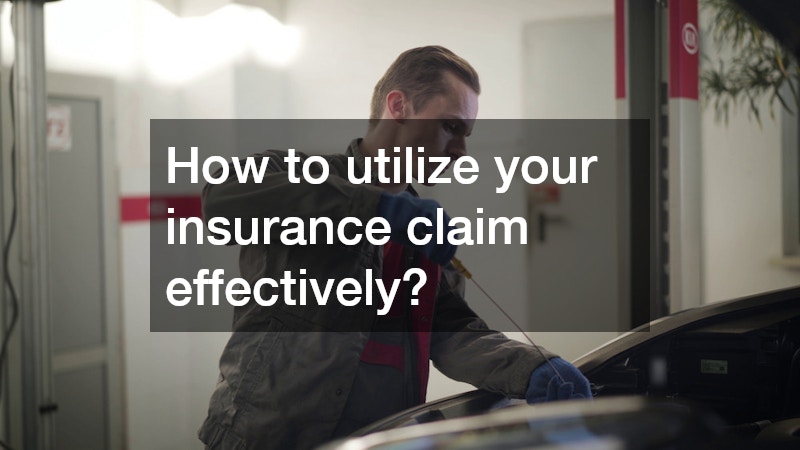
Utilizing your insurance claim effectively requires understanding your policy’s coverage and limitations. Familiarize yourself with terms like deductibles, limits of coverage, and available repair networks. This understanding will help you make informed decisions when choosing repair options.
Coordinate closely with your insurance agent to ensure all documentation is for claim processing. This diligence helps prevent delays and denials in coverage. Being well-organized with your paperwork and having clear communication with your insurer can facilitate the approval for repairs by local auto repair specialists or preferred shops.
Opt for a comprehensive repair assessment that addresses all visible and underlying damages. Accepting only partial repairs may result in additional costs later. Verify that all the required services, such as 24 hour tow truck assistance or electrical repairs, are included in the claim estimate.
How to handle a total loss situation?
A total loss situation occurs when the cost of repairs exceeds the vehicle’s market value. In such cases, your insurance company may choose to write off the car rather than repair it. This outcome can be distressing, but understanding your options for replacement or compensation can ease the process.
The insurance payout is typically based on the car’s pre-accident market value, so be sure to verify this with your own research. Access resources that value used auto parts and seek advice from local mechanics who understand the worth of your vehicle. Accurate knowledge will help negotiate the best settlement possible.
Consider negotiating with your insurance company if you believe the settlement offer is too low. Present evidence of any modifications or custom work not factored into their offer. Consulting with a personal injury attorney might also help if disputes over compensation arise, ensuring that you are not undervalued in a total loss determination.
What are my legal rights and obligations after an accident?
After an accident, it’s crucial to understand both your legal rights and obligations. Your rights may include compensation for damages, medical expenses, and loss of income. Reviewing your rights can help you pursue meaningful financial recovery and proper repair services.
Your obligations involve complying with state and local laws, such as reporting the accident and not fleeing the scene. Fulfill these duties promptly to avoid fines or legal issues later. Understanding both sides of your legal standpoint provides a balanced approach to resolving any fallout.
In situations where liability is contested or injuries are involved, seek legal counsel from a personal injury attorney. They can provide guidance on how to proceed and represent your interests in complex cases. This can prove invaluable in navigating any legal hurdles you may encounter.
When to consult an attorney?

Consulting an attorney may be necessary if the accident leads to serious injuries, fatalities, or substantial property damage. An attorney specializing in accident law can help navigate the legal landscape surrounding compensation and liability claims. Knowing when to engage legal services can be critical to ensuring your rights are protected.
If the other party contests your claims or faults, their insurance company might pushback aggressively. An experienced attorney can negotiate on your behalf and ensure that fair treatment is received, especially concerning auto body repairs and other issues related to the accident.
An attorney knowledgeable in transmission repairs and vehicle-specific laws can be especially helpful with detailed aspects of your case. Their expertise can extend to cases involving environmental damage or mechanical failures that require comprehensive investigation.
Taking These Proactive Steps
We emphasize the critical steps one should take following an auto accident. Firstly, prioritize safety by checking for injuries and moving to safety; then, document the accident meticulously. Efficient documentation sets the stage for a smoother insurance claim process and paves the way for effective solutions.
Understanding your legal obligations, liaising with insurers, and selecting a reputable local auto repair specialist are key to resolving the aftermath efficiently. Each of these steps assumes a role in safeguarding your financial interests and ensuring an equitable resolution. Embracing these protocols as essential components of recovery equips you to handle future incidents confidently with auto repair service knowledge.
Ultimately, awareness and preparation greatly diminish the chaos of an unexpected auto accident. By following these procedures, you are empowered to respond effectively, mitigate stress, and achieve the best possible outcome for vehicle repairs and personal recovery. These steps are not merely precautions but essential strategies for all vehicle owners.