Owning a vehicle comes with freedom, convenience, and responsibility. Whether you drive every day or only use your car for errands and weekend trips, your safety depends on more than careful driving. It also depends on how well you understand your vehicle, how quickly you respond to warning signs, and how prepared you are when something goes wrong.
A well-maintained vehicle protects you, your passengers, and everyone else on the road. This guide will help you recognize common repair issues, plan ahead for emergencies, and make safer decisions when your car needs attention.
Learn the Signs That Your Vehicle Needs Attention

One of the best ways to stay safe on the road is to pay attention to changes in how your vehicle sounds, feels, smells, and performs. Cars often give warning signs before a major failure happens. The earlier you notice those signs, the easier it may be to prevent a breakdown or avoid a more expensive repair.
Common warning signs include:
- Squealing, grinding, knocking, or clunking noises
- A steering wheel that shakes or pulls to one side
- Dashboard warning lights
- Burning smells
- Fluid leaks under the vehicle
- Poor acceleration
- Reduced fuel efficiency
- Difficulty starting the engine
- Vibrations while braking or driving
- Smoke from the exhaust or engine area
Scheduling auto repair services early can help you address these concerns before they become more serious. When you contact a repair shop, be as specific as possible. Instead of simply saying, “My car sounds weird,” explain when the sound happens. Does it occur during braking, turning, accelerating, idling, or driving over bumps? Does it happen when the vehicle is cold, after it warms up, or only at highway speeds?
Know What to Do During a Breakdown
A breakdown can be stressful, especially if it happens on a busy road, at night, or in bad weather. The most important thing is to stay calm and focus on getting yourself and your passengers to the safest possible location.
If your car begins to lose power, makes a severe noise, overheats, or becomes difficult to control, do not try to push it farther than necessary. Continuing to drive may make the damage worse or put you in danger.
Follow these steps if your vehicle breaks down:
- Turn on your hazard lights immediately.
- Move to the shoulder, parking lot, or another safe area if possible.
- Avoid stopping around curves or in areas where other drivers cannot see you.
- Stay inside the vehicle if traffic is heavy or fast-moving.
- Exit only if it is safe to do so.
- Call for roadside help.
- Do not stand behind or directly in front of the vehicle.
- Use reflective triangles or flares only if you can place them safely.
If your car cannot be driven safely, contact a local towing service rather than trying to drive it home yourself. Driving with a serious mechanical issue can damage the vehicle further and increase the risk of an accident.
Make Brakes a Top Safety Priority
Few vehicle systems are more important than your brakes. When brakes are working properly, they allow you to slow down, stop safely, avoid obstacles, and respond quickly to changing traffic conditions. When they are worn or failing, your stopping distance can increase, and your ability to avoid a crash may be reduced.
Brake problems should never be ignored. Even if the vehicle still stops, warning signs can mean that parts are wearing down or that the system needs attention.
Common brake warning signs include:
- Squealing or screeching
- Grinding sounds
- Vibration when braking
- A soft or spongy brake pedal
- A brake pedal that sinks toward the floor
- Pulling to one side when stopping
- Burning smells after braking
- A brake warning light
- Longer stopping distance
Scheduling local brake repairs promptly can help prevent minor problems from becoming major ones. A technician may inspect the pads, rotors, calipers, brake lines, and brake fluid. In some cases, the fix may be simple. In others, worn or damaged parts may need to be replaced.
You should stop driving and seek help immediately if:
Understand Transmission Problems Before They Get Worse
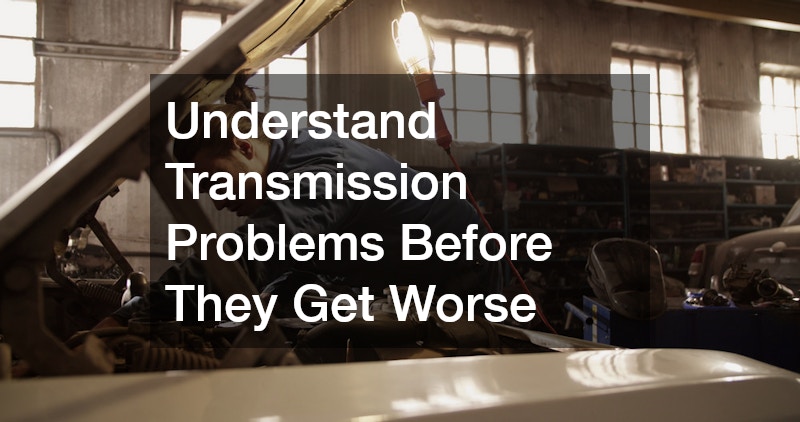
Your transmission helps transfer power from the engine to the wheels. When it works correctly, the vehicle shifts smoothly and responds smoothly to acceleration. When it begins to fail, the car may become difficult to drive, unpredictable, or unsafe.
Transmission issues can be expensive, so it is important to act early. Some symptoms may be caused by low fluid levels, worn components, electronic issues, or other problems that are easier to correct if caught early.
In some cases, a shop may recommend an auto transmission rebuild. This means the transmission is removed, disassembled, inspected, cleaned, and rebuilt with replacement components as needed. A rebuild may be recommended when internal parts are worn or damaged but the unit can still be restored.
Before approving major transmission work, ask clear questions:
- What did the diagnostic test show?
- Is the issue internal or external?
- Can the problem be repaired without a full rebuild?
- What parts will be replaced?
- Is there a warranty?
- How does the cost compare to replacing the transmission?
- Is the vehicle worth the investment based on age and mileage?
A transmission problem can be intimidating, but a clear diagnosis helps you make a better decision.
Pay Attention to Engine Health
The engine is one of the most important and expensive parts of any vehicle. It powers the car, supports major systems, and directly affects reliability. While some engine problems are minor, others can quickly become serious if ignored.
Overheating is especially important. If the temperature gauge rises or steam comes from under the hood, pull over safely and turn off the engine. Driving an overheating vehicle can cause severe damage. Do not remove the radiator cap while the engine is hot, as pressurized coolant can cause serious burns.
When an engine has major damage, drivers may have to compare repair options. In some situations, engine replacements may be more practical than repeatedly paying for repairs that do not fully solve the issue. This is a major decision, so it should be made carefully.
Keep Hybrid Vehicles Properly Maintained
Hybrid vehicles can offer excellent fuel efficiency, but they also have systems that differ from traditional gasoline-powered cars. They may include high-voltage battery packs, electric motors, regenerative braking systems, specialized cooling components, and advanced control modules.
Because these systems are more complex, hybrid owners should choose technicians who understand the technology. Hybrid auto repair requires the right training, tools, and diagnostic equipment. A shop that works only on traditional vehicles may not always be prepared to handle hybrid-specific problems.
The battery cooling system is especially important. Hybrid batteries can be affected by heat, dust, blocked vents, and issues with cooling fans. Keeping the system clean and maintained can help extend battery life and improve performance.
Regenerative braking is another important feature. In many hybrids, the braking system helps recover energy and return it to the battery. If braking feels unusual or warning lights appear, the issue should be inspected by someone familiar with hybrid systems.
Hybrid owners should also follow the manufacturer’s maintenance schedule. Oil changes, tires, coolant, brakes, and filters still matter. A hybrid may use less fuel, but it still needs regular care to remain safe and reliable.
Choose Quality Parts for Safer Repairs
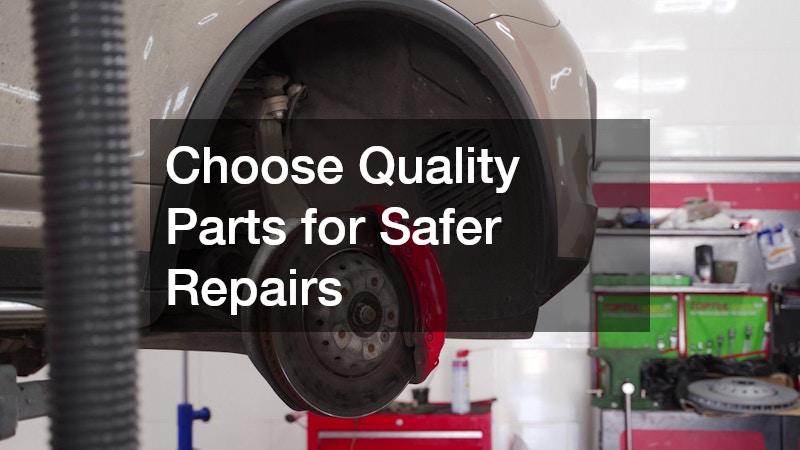
When your vehicle needs replacement parts, quality matters. The right part can improve performance, reliability, and safety. The wrong part can lead to premature failure, poor fit, or repeated repairs.
Original equipment manufacturer parts are made to match the parts originally used by the vehicle manufacturer. Aftermarket parts are made by third-party companies and can vary in quality. Used parts may cost less but often come with more uncertainty. Remanufactured parts are rebuilt to meet certain standards and may be a good option for some repairs.
Reliable auto part services can help drivers or repair shops locate parts that fit the exact make, model, year, and system requirements of a vehicle. This is important because even similar vehicles may use different components depending on trim level, engine type, or production date.
Repair Glass Damage Before It Spreads
A cracked or chipped windshield may seem like a minor inconvenience, but auto glass plays an important role in vehicle safety. The windshield helps protect passengers from debris, supports visibility, and can contribute to the vehicle’s structural strength in certain situations.
Small chips can spread quickly because of temperature changes, road vibration, and moisture. A tiny crack may become a long line across the windshield before you expect it. Damage in the driver’s line of sight is especially concerning because it can distort visibility and make nighttime glare worse.
Modern vehicles may also have cameras and sensors mounted near the windshield. These systems can support lane departure warnings, automatic emergency braking, adaptive cruise control, and other driver-assistance features. When a windshield is replaced by auto glass companies, these systems may need recalibration to work correctly.
Drivers should not delay glass repair when the damage affects visibility, spreads quickly, or sits near the edge of the windshield. Clear visibility is essential for safe driving.
Handle Dents and Body Damage Correctly
Some dents are cosmetic, but others can create hidden problems. Body damage may expose metal, crack paint, affect sensors, or hide deeper structural concerns. Even a small dent can eventually lead to rust if the paint is damaged and moisture reaches the metal underneath.
After a minor collision, parking lot incident, or hail damage, inspect the area carefully. Look for chipped paint, loose trim, damaged lights, uneven panel gaps, or dashboard warning lights. If the dent is near a bumper, mirror, camera, or sensor, it may affect more than appearance.
An auto dent removal service may be able to restore the panel without traditional bodywork in some cases. Paintless dent repair can be a good option when the paint is intact and the dent can be accessed properly. More severe damage may require sanding, filling, painting, or replacement of parts.
Understand When Insurance Guidance Helps
Car repairs often raise insurance questions. Should you file a claim? Will your rate go up? Is the damage covered? Do you have roadside assistance? Does your policy include rental reimbursement? These questions can be confusing, especially after an accident or unexpected repair.
An auto insurance agent can help explain your coverage, deductibles, claim options, and policy limits. While they may not decide whether a repair is mechanically necessary, they can help you understand what your policy may pay for.
Insurance guidance may be useful after:
- A collision
- Windshield damage
- Weather-related damage
- Theft or vandalism
- Towing
- Damage caused by another driver
- A hit-and-run
- Major repair estimates related to a covered event
Before filing a claim, ask about your deductible and whether the repair cost is close to that amount. For example, if the damage costs only slightly more than the deductible, you may decide to pay out of pocket. For larger repairs, filing a claim may make more sense.
Know When Not to Drive
One of the most important safety decisions a driver can make is knowing when a vehicle should not be driven. Many people try to “make it home” or “get to the shop” even when the car is showing serious signs of trouble. Sometimes that decision can lead to more damage or a dangerous situation.
Avoid driving if:
- The brakes are not working normally
- The engine is overheating
- Smoke is coming from the vehicle
- Steering feels loose or difficult
- A tire is flat or severely damaged
- The vehicle is leaking a large amount of fluid
- The transmission will not shift correctly
- Warning lights are flashing
- Visibility is blocked by cracked glass or failed wipers
- The vehicle smells strongly of fuel or burning
When in doubt, choose safety. Pull over, turn on hazards, and get help. Paying for a tow is usually less expensive than causing more damage or risking an accident.
Ask Better Questions Before Approving Repairs
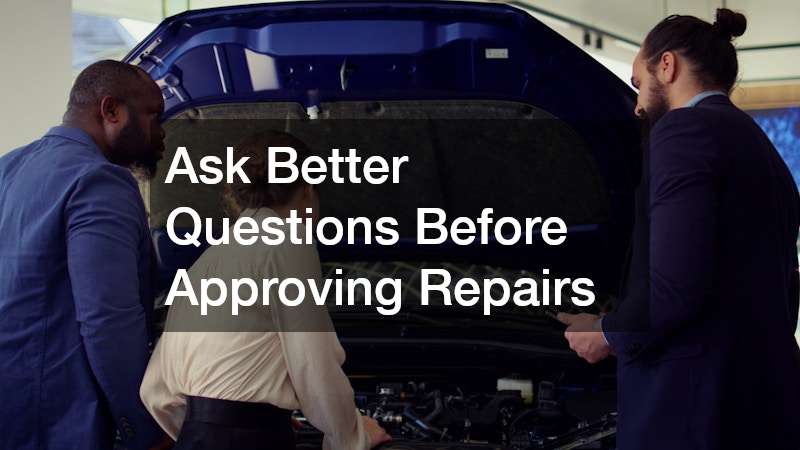
Many drivers feel uncomfortable talking to repair shops because they do not know the technical language. You do not need to know every mechanical term, but you should feel comfortable asking questions.
Clear communication protects both you and the repair shop. It helps you understand what is being done, why it matters, and how it affects safety.
Safe driving starts long before you turn the key or press the start button. It begins with knowing your vehicle, paying attention to warning signs, keeping up with maintenance, and responding wisely when something feels wrong. Every sound, smell, vibration, leak, or warning light is information that can help you make a safer decision.
A reliable car is not just more convenient. It is safer for you, your passengers, and everyone around you. With preparation, awareness, and timely repairs, you can drive with greater confidence and reduce the chances of unexpected trouble.